
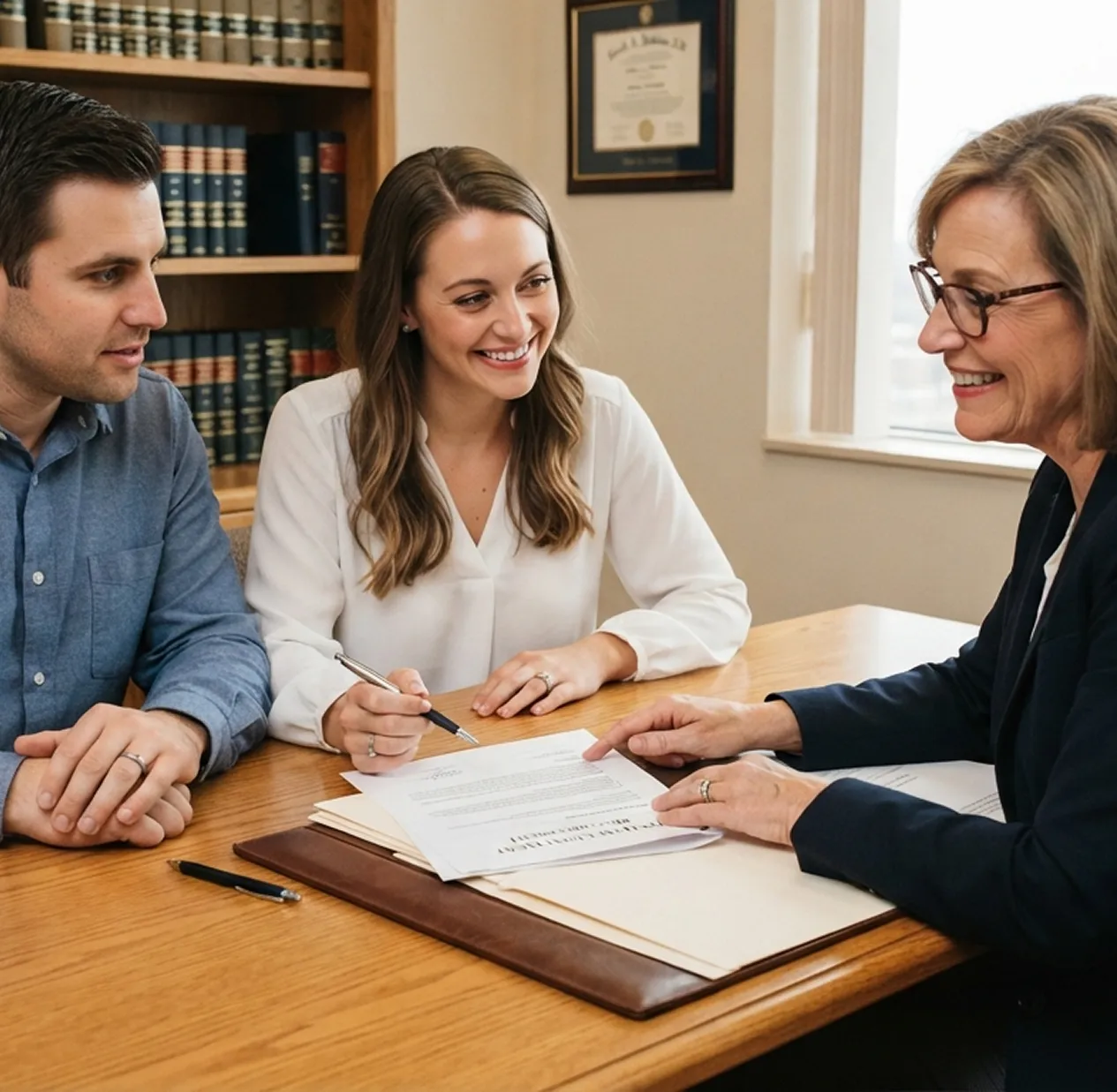
Getting married is an exciting milestone, but building a life together also means planning for the future. Along with managing finances and buying a home, newlyweds should consider creating an estate plan.
Estate planning helps determine what happens to your assets, finances, and personal affairs if you become seriously ill or pass away. In North Carolina, the right legal documents can help protect your spouse and make your wishes clear.
Whether you are combining finances, purchasing property, or planning to start a family, creating an estate plan early can provide peace of mind and help secure your future together.
Why Estate Planning Matters for Newlyweds in North Carolina
Marriage brings new financial and legal responsibilities.
You may now share a home, savings, investments, and other assets. Without an estate plan, your spouse may not have the authority to make certain financial or medical decisions on your behalf.
An estate plan helps you decide what happens to your assets and who can make important decisions if you become seriously ill or pass away. It can help you:
- Protect your spouse: Decide how your assets will be distributed and provide financial security for your spouse.
- Choose who makes important decisions: Appoint someone you trust to handle your financial and healthcare matters.
- Plan for children: Name a guardian for your minor children.
- Avoid family disagreements: Make your wishes clear to prevent confusion among relatives.
- Prepare for unexpected events: Plan for illness, disability, or death.
For newlyweds in North Carolina, estate planning is a simple way to protect each other and prepare for a secure future together.
Essential Estate Planning Documents Every Newlywed Couple Should Have
A good estate plan includes several important legal documents.
Each helps protect your interests and ensures your wishes are followed if something unexpected happens.
- Last will: Explains how your assets should be distributed after your death. It also allows you to name an executor and choose a guardian for your minor children.
- Durable Financial Power of Attorney: Allows someone you trust, such as your spouse, to manage your finances if you become unable to do so.
- Healthcare Power of Attorney: Names someone who can make medical decisions for you if you cannot make them yourself.
- Advance Directive for a Natural Death (Living Will): Records your wishes about life-prolonging medical treatment in certain situations.
- Beneficiary Designations: Identify who will receive benefits from your life insurance, retirement accounts, and other eligible financial accounts.
- Revocable Living Trust (When Appropriate): Helps manage your assets during your lifetime and explains how they should be distributed after your death. It may also help certain assets avoid probate.
Not every couple needs all these documents. An estate planning law firm can help you choose the right documents based on your assets, family situation, and future goals.
How Marriage Affects Your Existing Estate Plan in North Carolina
If you or your spouse created a will before getting married, it is important to review it after the wedding. Your existing documents may not reflect your new family and financial responsibilities.
Under North Carolina General Statutes § 31-5.3, marriage does not automatically cancel an existing will. However, a surviving spouse may have the right to claim an elective share in certain circumstances.
Newlyweds should review the following:
- Update existing wills: Make sure your will reflects your current wishes and includes your spouse where appropriate.
- Review beneficiaries: Check the beneficiaries named on your life insurance and retirement accounts.
- Check property ownership: Review how your home, savings, and other assets are owned.
- Update powers of attorney: Make sure your financial and healthcare documents reflect your current choices.
- Review children’s arrangements: Update plans involving children from previous relationships where needed.
Reviewing your estate planning documents after marriage helps keep your wishes clear and avoids confusion in the future.
What Happens If a Newlywed Dies Without a Will in North Carolina?
When someone dies without a valid will, they are said to have died intestate. In North Carolina, state law decides who inherits their property.
The surviving spouse does not always receive everything. Their share depends on whether the deceased had children or surviving parents.
For example:
- One child: The spouse generally receives half of the real estate and a portion of the personal property.
- Two or more children: The spouse generally receives one-third of the real estate and a portion of the personal property.
- No children but surviving parents: The spouse generally receives half of the real estate and a portion of the personal property.
- No children or surviving parents: The spouse generally inherits all property covered by these rules.
These rules are explained in North Carolina General Statutes § 29-14.
Some assets, such as life insurance, retirement accounts, and jointly owned property with survivorship rights, may pass directly to the named beneficiary or surviving owner.
Creating a will helps newlyweds decide who inherits their assets instead of leaving everything to state law.
Estate Planning Considerations for Newly Married Couples
Every couple has different financial needs and plans. Before creating an estate plan, newlyweds should consider a few important things:
- Shared and Separate Property: Identify which assets belong to each spouse and which are jointly owned, such as homes, vehicles, savings, and investments.
- Existing Debts: Consider mortgages, student loans, credit cards, and other financial responsibilities.
- Life Insurance: Consider coverage that can help support your spouse with household expenses, mortgage payments, and other costs.
- Children and Future Plans: If you have or plan to have children, consider guardianship and inheritance arrangements.
- Digital Assets: Include online accounts, digital files, and other important electronic assets in your estate plan.
Discussing these matters early helps newlyweds make better decisions and build an estate plan that protects their future together.
Should Newlyweds Create a Joint Estate Plan or Separate Wills?
Newlyweds often wonder whether they should create one joint estate plan or have separate wills. In North Carolina, spouses generally create individual wills, even when planning their estates together.
Separate wills allow each spouse to decide how their assets will be distributed and who will manage their estate. They can also name their preferred beneficiaries and guardians for minor children.
However, both spouses can work with the same estate planning attorney to create coordinated plans that reflect their shared goals.
The right approach depends on your assets, family needs, and personal wishes.
When Should Newlyweds Update Their Estate Plan?
Estate planning is not a one-time task. Your documents should change as your life and financial circumstances develop.
Newlyweds should review their estate plans after major life events, including:
- Buying or selling a home.
- Having or adopting a child.
- Starting a business.
- Receiving an inheritance.
- Experiencing significant financial changes.
- Moving to another state.
- Going through a separation or divorce.
Reviewing your documents every few years is also a sensible way to check that your wishes, beneficiaries, and appointed decision-makers remain accurate.
Common Estate Planning Mistakes Newlyweds Should Avoid
Even couples who understand the importance of estate planning can overlook important details. Some common mistakes include:
- Assuming marriage automatically updates an existing will.
- Relying entirely on North Carolina intestacy laws.
- Forgetting to update retirement and life insurance beneficiaries.
- Failing to create financial and healthcare powers of attorney.
- Ignoring separately owned property or inherited assets.
- Choosing executors or agents without discussing responsibilities with them.
- Creating estate planning documents but failing to sign or execute them correctly.
Avoiding these mistakes can help protect your spouse and make it easier for your loved ones to handle difficult situations.
How an Estate Planning Attorney in North Carolina Can Help Newlyweds
An experienced estate planning attorney can help newly married couples understand their legal options and prepare documents that reflect their needs.
An attorney can review existing wills, explain North Carolina inheritance laws, prepare powers of attorney, and help determine whether a trust is appropriate. They can also advise couples on beneficiary designations, property ownership, and guardianship arrangements.
Professional guidance is particularly helpful if either spouse has children from a previous relationship, owns a business, has substantial assets, or wants to protect an inheritance.
Working with a North Carolina estate planning lawyer can help ensure your documents are properly prepared and legally executed.
How Much Does Estate Planning Cost for Newlyweds in North Carolina?
The cost of estate planning for newlyweds in North Carolina depends on the complexity of their financial situation and the documents they need.
A basic estate plan with individual wills and essential powers of attorney generally costs less than a comprehensive plan involving revocable living trusts, business interests, or complicated inheritance arrangements.
Factors that can affect the overall cost include:
- The number and type of legal documents required.
- Whether a living trust is necessary.
- The value and ownership structure of your assets.
- Existing estate planning documents that need updating.
- The complexity of your family and financial circumstances.
Many estate planning attorneys offer flat-fee packages for common services, while others charge hourly rates.
Newlyweds should request a clear fee estimate and understand which documents and services are included before hiring an attorney.
Final Thoughts
Estate planning is an important part of building a secure future together.
For newlyweds in North Carolina, preparing wills, powers of attorney, healthcare directives, and appropriate beneficiary arrangements can help protect both spouses and ensure their wishes are respected.
You do not need significant wealth or a large estate to benefit from having a plan. Even if you are just starting your financial journey, putting the right legal arrangements in place can prevent confusion and provide peace of mind.
Consider speaking with an experienced estate planning attorney in North Carolina to review your circumstances and create a plan that grows with your marriage, family, and financial goals.