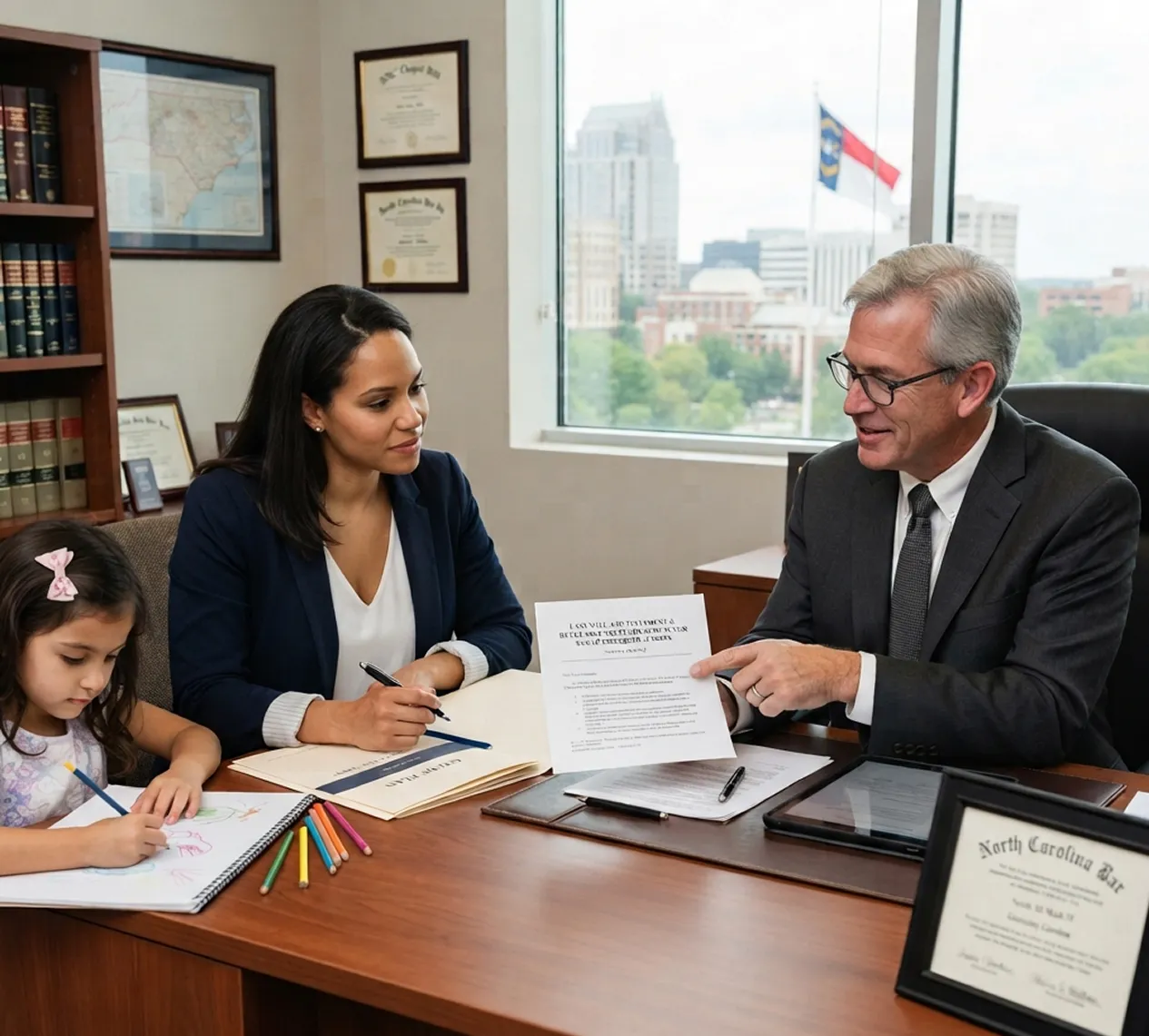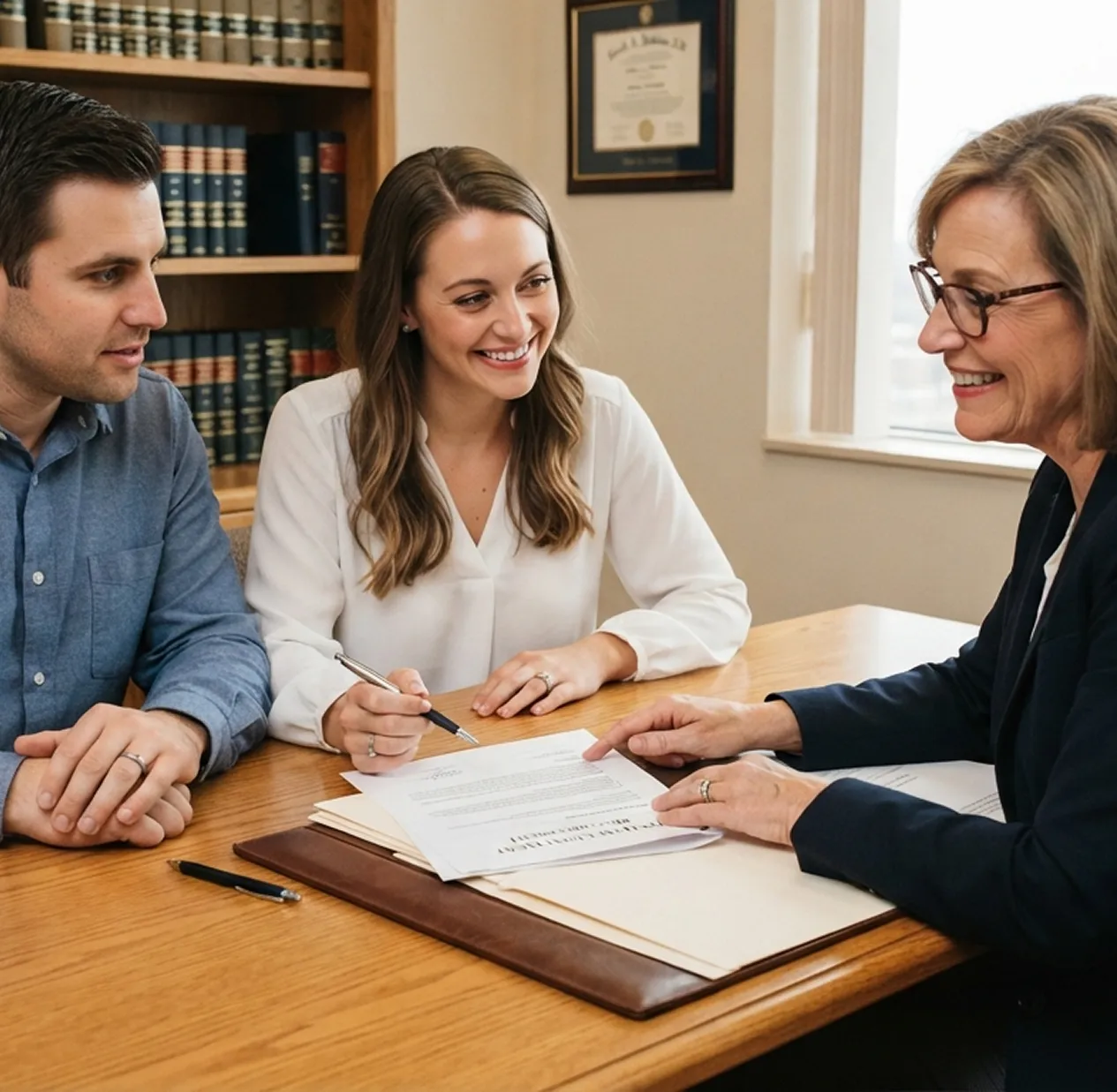
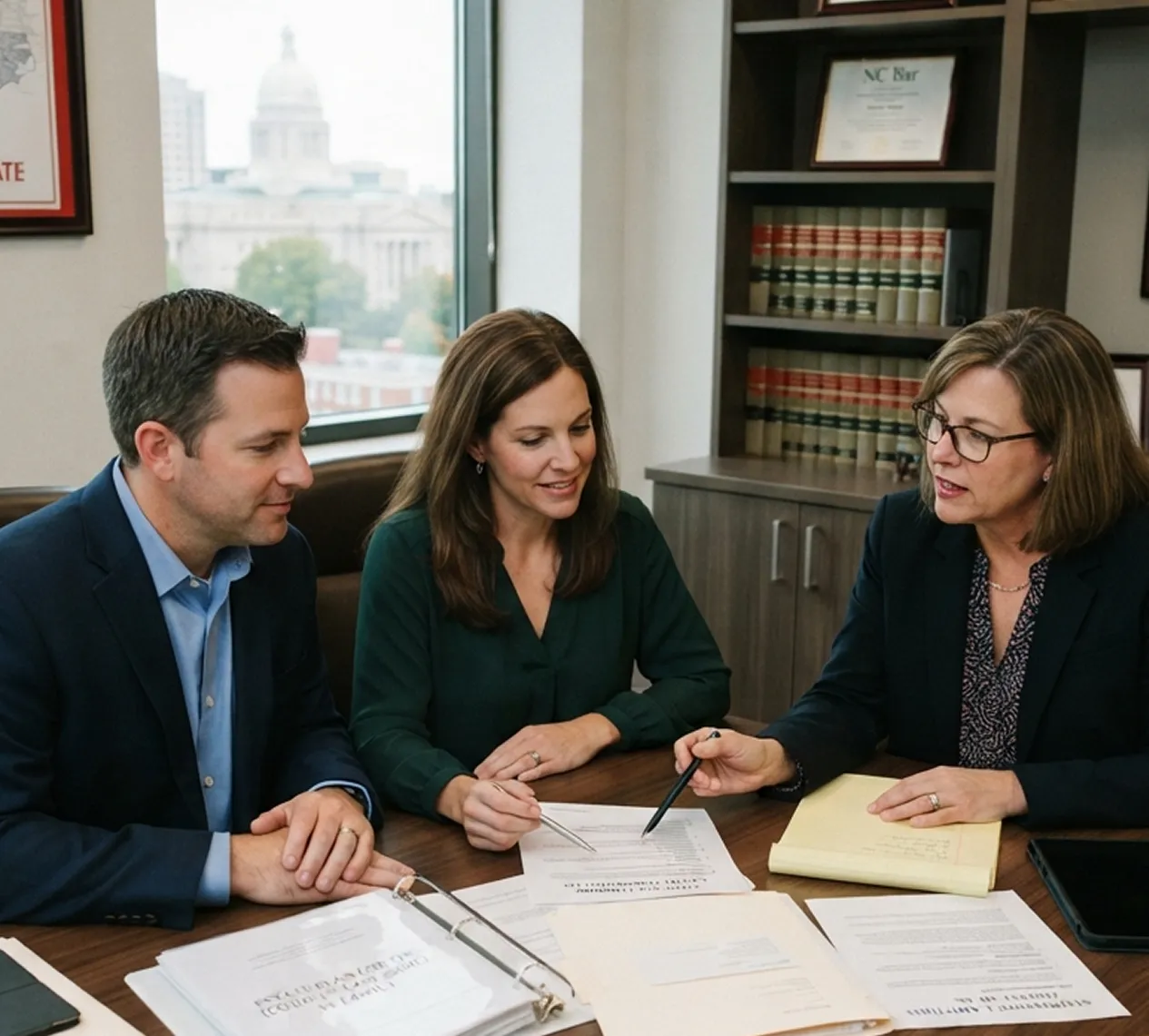
Estate planning can be more complicated for stepparents in blended families. You may want to protect your spouse, provide for your biological children, and ensure your stepchildren receive an inheritance.
However, North Carolina law does not automatically give stepchildren the same inheritance rights as biological or legally adopted children.
A well-prepared estate plan can help protect your loved ones, prevent family disputes, and ensure your assets are distributed according to your wishes.
Do Stepparents Have Legal Rights Over Their Stepchildren in North Carolina?
In North Carolina, marrying someone with children does not automatically give you the same legal rights as a biological or adoptive parent. Even if you help raise your stepchildren, your legal authority over them may be limited.
Generally, stepparents cannot automatically make major medical or educational decisions, claim legal custody, or manage a stepchild’s property.
If you want to establish legal parental rights, stepparent adoption may be an option. Under North Carolina General Statutes § 48-4-101, stepparents can petition to adopt a minor stepchild if they meet the legal requirements.
Adoption can establish a legal parent-child relationship and provide inheritance rights. However, the process involves specific legal requirements and should be discussed with a family law attorney.
Do Stepchildren Have Inheritance Rights in North Carolina?
In North Carolina, stepchildren do not automatically inherit from a stepparent unless they have been legally adopted.
If someone dies without a valid will, state intestacy laws determine who receives their property. Under North Carolina General Statutes § 29-15, biological and legally adopted children may inherit, but non-adopted stepchildren generally do not have the same rights.
However, stepparents can include their stepchildren in their estate plan through a will, trust, or beneficiary designation.
If you want your stepchildren to inherit money, property, or other assets, make sure your wishes are clearly documented in your estate planning documents.
Essential Estate Planning Documents for North Carolina Stepparents
The right estate planning documents help protect your family and ensure your assets go to the people you choose. For stepparents, they also make it easier to include stepchildren in inheritance plans.
Consider these important documents:
- Last will: States who inherits your assets and names someone to manage your estate.
- Revocable Living Trust: Explains how and when your beneficiaries receive their inheritance.
- Durable Financial Power of Attorney: Allows someone you trust to manage your finances if you become unable to do so.
- Healthcare Power of Attorney: Names someone to make medical decisions on your behalf.
- Living Will: Records your wishes about life-support treatment and end-of-life care.
- Beneficiary Designations: Identifies who receives money from life insurance and retirement accounts.
Make sure your documents meet North Carolina’s legal requirements and reflect your current family situation.
How to Include Stepchildren in Your North Carolina Estate Plan
If you want your stepchildren to inherit from you, make your intentions clear in your estate planning documents. Do not assume that your relationship with them will automatically provide inheritance rights.
Here are some practical ways to include them:
- Name them in your will: Clearly identify each stepchild and specify the assets or percentage of your estate they should receive.
- Create a family trust: Establish a trust that provides financial support for your stepchildren, including education, housing, or other future needs.
- Update life insurance beneficiaries: Consider naming your stepchildren as beneficiaries or allocating specific percentages to them.
- Make specific gifts: You can leave particular properties, savings, investments, or personal belongings to individual stepchildren.
- Consider their future needs: If your stepchildren are minors, establish arrangements for managing their inheritance until they reach an appropriate age.
Be specific when identifying beneficiaries. Using clear names and instructions can help prevent confusion and reduce the possibility of disputes among family members.
Protecting Your Spouse, Biological Children, and Stepchildren
One of the biggest challenges in blended family estate planning is balancing the needs of different family members.
For example, you may want your spouse to continue living in your family home while ensuring your biological children eventually inherit your share of the property. You may also want your stepchildren to receive a fair portion of your other assets.
A carefully structured estate plan can address these goals.
Consider using a trust to provide financial support for your surviving spouse during their lifetime while preserving certain assets for your children and stepchildren. You can also establish separate inheritance shares to make your intentions clear.
Discuss major financial decisions with your spouse and consider everyone’s long-term needs. Clear communication can help prevent misunderstandings and disagreements after your death.
Estate Planning Challenges for Blended Families in North Carolina
Blended families often have financial and legal arrangements that require additional planning. Previous marriages, child support obligations, separate properties, and different inheritance expectations can complicate estate distribution.
Some common challenges include:
- Different inheritance expectations: Biological children and stepchildren may have different expectations about receiving family assets.
- Property ownership disputes: A home purchased before remarriage may create questions about ownership and inheritance.
- Minor stepchildren: Additional arrangements may be necessary to manage their financial needs and inheritance.
- Conflicting beneficiary designations: Older life insurance and retirement account beneficiaries may not reflect your current family situation.
- Second marriage concerns: You may want to protect your surviving spouse without unintentionally disinheriting children from a previous relationship.
Addressing these issues early can make estate administration easier and help protect relationships within your family.
North Carolina Inheritance and Estate Planning Laws Stepparents Should Know
Understanding North Carolina inheritance laws can help you protect your spouse, biological children, and stepchildren. Here are four important rules to know:
1. Intestate Succession:
Under Chapter 29 of the North Carolina General Statutes, assets are distributed according to state law when someone dies without a valid will. Non-adopted stepchildren generally do not inherit automatically.
2. Surviving Spouse’s Rights:
Under § 29-14, a surviving spouse may inherit part of the estate. The amount depends on the surviving family members and the property involved.
3. Elective Share:
Under § 30-3.1, a surviving spouse may claim a share of the deceased spouse’s net assets. The percentage ranges from 15% to 50%, depending on the length of the marriage.
4. Stepparent Adoption:
North Carolina law allows stepparents to legally adopt minor stepchildren. Adoption establishes a legal parent-child relationship and can provide inheritance rights.
Understanding these laws can help you make better estate planning decisions and protect your blended family.
Common Estate Planning Mistakes Stepparents Should Avoid
Even well-intentioned stepparents can make mistakes that create financial and legal problems for their families.
Avoid these common issues:
- Not having a will: Without a valid will, North Carolina intestacy laws determine how your estate is distributed.
- Assuming stepchildren inherit automatically: A close family relationship does not automatically establish inheritance rights.
- Ignoring beneficiary designations: Outdated beneficiaries can result in assets going to someone you no longer intend to benefit.
- Failing to update legal documents: Marriage, divorce, adoption, and other family changes may affect your estate planning needs.
- Not discussing inheritance plans: Keeping your intentions unclear can lead to confusion and disagreements among family members.
- Using generic estate planning documents: Documents that do not address blended family arrangements may fail to protect everyone’s interests.
Review your estate plan regularly to ensure it reflects your current family structure, financial situation, and wishes.
When Should Stepparents Update Their Estate Plan?
Estate planning is not something you should complete once and forget. Your family’s circumstances and financial responsibilities can change over time.
Consider reviewing your estate plan after:
- Getting married or remarried.
- Having a biological child or adopting a stepchild.
- Experiencing a divorce or separation.
- Purchasing or selling a home or other major property.
- Receiving an inheritance or experiencing a significant financial change.
- Losing a spouse, child, or another named beneficiary.
- Changing your preferences about who should inherit your assets.
Regular reviews help ensure your will, trust, beneficiary designations, and other legal documents remain consistent with your intentions.
Why Work With a North Carolina Estate Planning Attorney?
Estate planning for blended families involves more than deciding who receives your property. You must also consider inheritance laws, spousal rights, property ownership, trusts, and the legal status of your stepchildren.
An experienced North Carolina estate planning law firm can help you:
- Understand your legal rights and responsibilities as a stepparent.
- Prepare a will that clearly identifies your intended beneficiaries.
- Establish trusts to protect your spouse, children, and stepchildren.
- Review beneficiary designations and property ownership arrangements.
- Address potential inheritance disputes before they arise.
- Prepare financial and healthcare powers of attorney.
- Update your estate plan when your family circumstances change.
An attorney can also explain how North Carolina inheritance laws apply to your particular family situation and help you develop a plan that meets your long-term goals.
Professional guidance can give you greater confidence that your loved ones will be financially protected and your wishes properly documented.
Final Thoughts
Estate planning for stepparents in North Carolina helps protect your spouse, biological children, and stepchildren. Since stepchildren do not automatically inherit from a stepparent, having a clear estate plan is important.
A properly prepared will, trust, and beneficiary designations can help ensure your assets go to the people you choose and reduce the risk of family disputes.
Working with a North Carolina estate planning attorney can help you create a plan that reflects your wishes and protects your blended family.