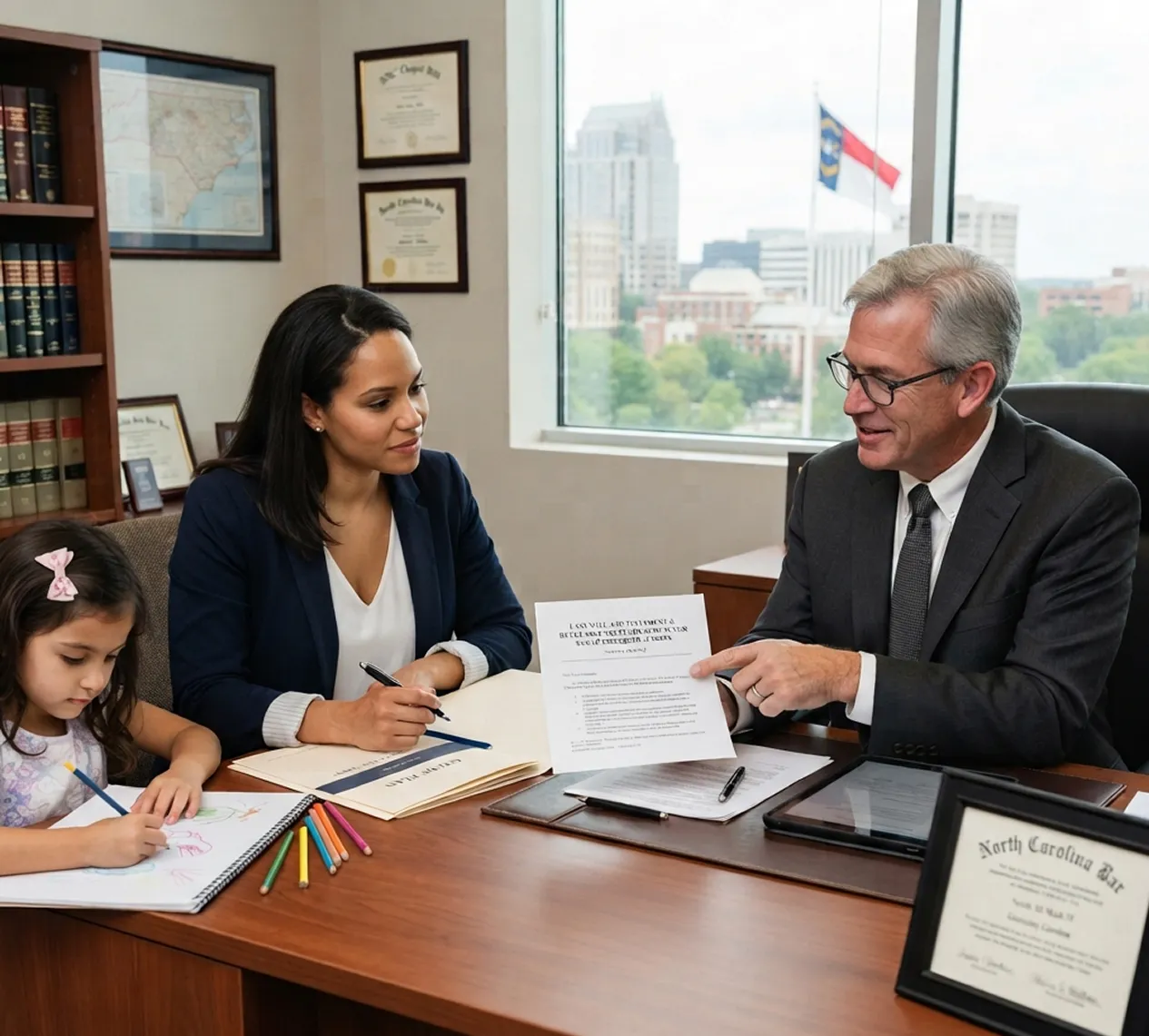
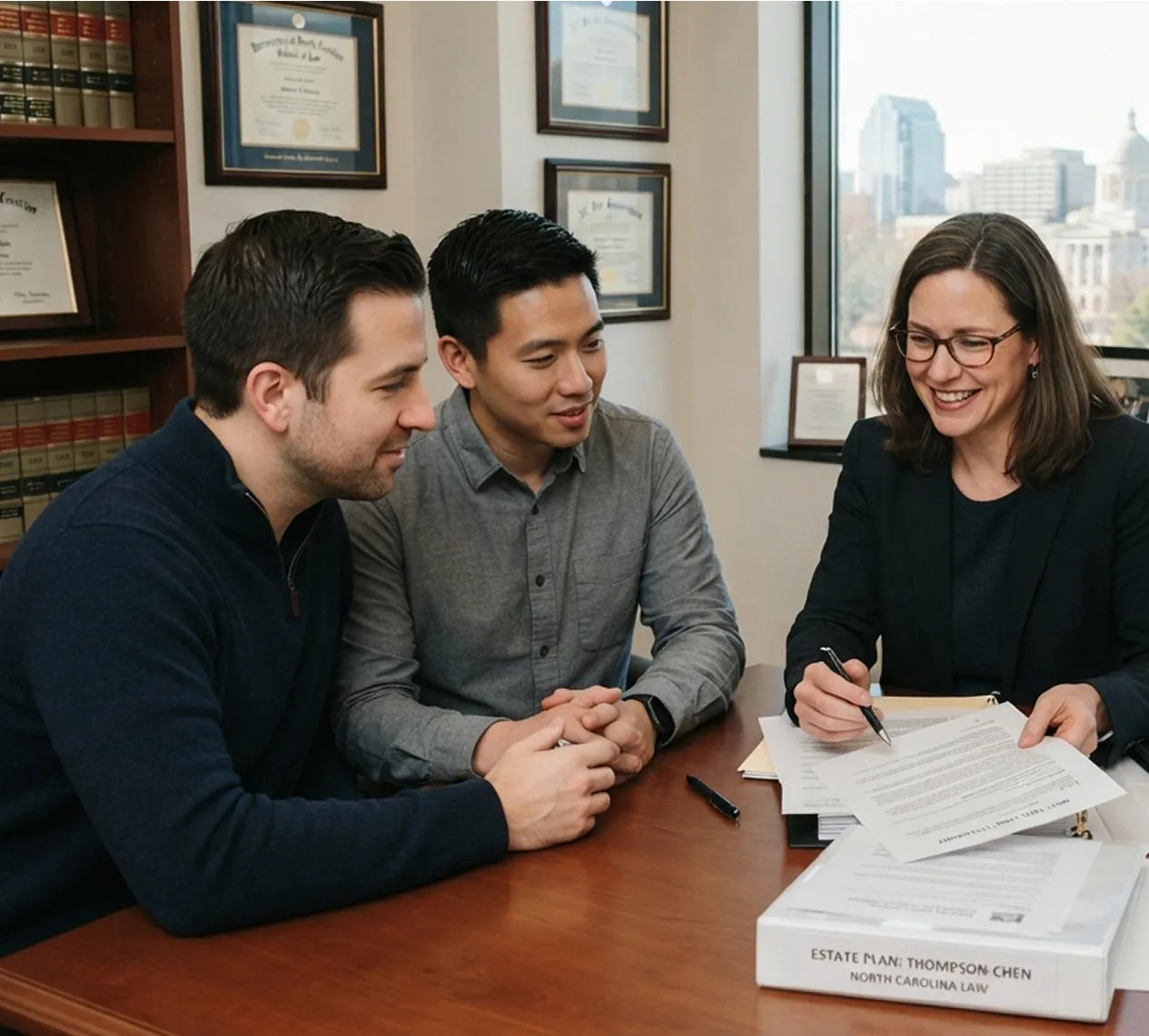
Estate planning helps protect your assets, your partner, and the future of your family. For same-sex couples in North Carolina, having a clear plan ensures your wishes are respected, and your loved ones are provided for.
Although same-sex couples have equal marriage rights, unmarried partners and families with children may face different legal considerations. Proper planning can help address these issues and avoid unnecessary complications.
This step-by-step guide explains how to create an estate plan using wills, trusts, healthcare directives, and other legal documents to protect your partner and family.
Step 1: Understand Your Legal Rights
Start by understanding how North Carolina law affects your relationship and estate. Same-sex marriage is legally recognized, giving married couples important rights involving inheritance, property, and certain tax benefits.
However, unmarried partners do not automatically receive the same legal protections as spouses. For example, if one partner dies without a will, the surviving partner may not inherit anything under North Carolina’s intestate succession laws.
Understanding these differences helps you identify potential risks and decide which legal documents you need to protect your partner.
Step 2: Decide What You Want to Protect
Before preparing legal documents, think about what matters most to you and your family. Consider:
- Your home, savings, investments, and other valuable assets.
- Your partner’s financial security if you pass away.
- Children you are raising together.
- Personal belongings and family heirlooms.
- Your preferences for medical care and end-of-life decisions.
Make a list of your assets, debts, beneficiaries, and important wishes. This gives you a clear starting point for building an estate plan.
Step 3: Create Your Will
A last will is one of the most important estate planning documents. It allows you to explain how your property should be distributed after your death.
For same-sex couples, a properly prepared will can clearly name your partner as an heir, identify beneficiaries, and appoint someone you trust as the executor of your estate.
Without a valid will, North Carolina inheritance laws determine who receives your probate assets. This may not match your wishes, particularly if you are unmarried or have a complicated family structure.
Your will can also name a guardian for your minor children, helping ensure their care is handled according to your preferences.
Step 4: Set Up a Trust
A trust can provide additional control over how and when your assets are distributed. Depending on your circumstances, a revocable living trust may help manage property during your lifetime and transfer certain assets to beneficiaries after your death.
Trusts can be particularly helpful if you want to provide ongoing financial support for your partner, protect an inheritance for your children, or manage assets for a beneficiary who cannot handle money independently.
A North Carolina estate planning law firm can help determine whether a trust is appropriate for your financial situation.
Step 5: Prepare Financial and Healthcare Documents
Estate planning is not only about what happens after death. You should also decide who can make important decisions if you become seriously ill or unable to manage your affairs.
Consider preparing these documents:
- Durable Financial Power of Attorney: Allows someone you choose to handle financial matters on your behalf.
- Healthcare Power of Attorney: Authorizes a trusted person to make medical decisions if you cannot communicate.
- Advance Directive: Explains your preferences for medical treatment and end-of-life care.
- HIPAA Authorization: Allows designated people to access your protected medical information.
These documents can help ensure your partner has the authority and information needed to support you during difficult situations.
Step 6: Protect Your Property and Inheritance
Property ownership can affect what happens to your assets when you or your partner passes away. If you own a home together, review how the property is titled and understand the legal consequences.
For example, owning property as joint tenants with right of survivorship generally allows the surviving owner to receive the deceased owner’s interest automatically. However, owning property as tenants in common does not provide the same automatic transfer.
You should also review beneficiary designations on life insurance policies, retirement accounts, and investment accounts. These designations may determine who receives the funds, regardless of what your will says.
Taking time to review ownership records and beneficiary information can help prevent unexpected inheritance problems.
Step 7: Protect Your Children’s Rights
If you are raising children together, protecting their legal and financial future should be an important part of your estate plan.
Same-sex couples may have children through adoption, assisted reproduction, or previous relationships. However, the legal relationship between each parent and child may differ depending on the circumstances.
For example, if only one partner is a legally recognized parent, the other partner may not automatically have parental rights or authority to make decisions for the child.
Consider taking these steps:
- Establish legal parentage where necessary.
- Include guardianship instructions in your will.
- Create a trust to manage assets for your children.
- Name appropriate beneficiaries for life insurance and other accounts.
- Prepare documents addressing your children’s financial and personal needs.
An experienced family law or estate planning attorney can help identify any gaps in your parental rights and recommend appropriate legal protections.
Step 8: Work With a North Carolina Estate Planning Attorney
Although online templates may seem convenient, estate planning involves legal details that can affect your partner, children, and property for years to come.
A North Carolina estate planning attorney can help you prepare legally valid documents, understand inheritance laws, establish trusts, and address situations involving unmarried partners or non-biological parents.
Look for an attorney who understands LGBTQ+ family planning and has experience handling estate planning matters for same-sex couples. Professional guidance can help you avoid mistakes and create a plan that reflects your family’s specific needs.
Step 9: Review and Update Your Estate Plan
Creating an estate plan is not a one-time task. Your circumstances and priorities may change over time, so reviewing your documents regularly is important.
Consider updating your plan after major life events, such as:
- Getting married or ending a relationship.
- Buying or selling a home.
- Having or adopting a child.
- Experiencing a significant financial change.
- Losing a named beneficiary or executor.
- Moving to another state.
Review your will, trust, powers of attorney, and beneficiary designations to make sure everything remains accurate and consistent with your wishes.
Protect Your Partner and Family With an Estate Plan
A well-prepared estate plan gives you more control over what happens to your assets and who can make important decisions on your behalf.
For same-sex couples in North Carolina, it can also help address potential legal gaps involving unmarried partners, parental rights, inheritance, and property ownership.
Start by identifying what you want to protect, then put the appropriate legal documents in place.
With the right planning, you can reduce uncertainty, protect your partner, and provide greater financial security for your family.
Final Thoughts
Estate planning is about more than distributing money or property. It is about making sure the people you love are protected, and your wishes are respected.
Whether you are married or unmarried, taking proactive steps today can help prevent legal complications in the future.
Working with an experienced North Carolina estate planning attorney can help you create a personalized plan that protects your relationship, children, and long-term interests.