Estate planning can be challenging for blended families with children from previous marriages, stepchildren, and a new spouse. Balancing everyone’s financial needs while protecting your loved ones requires careful planning.
Estate planning for blended families in North Carolina helps ensure your assets are distributed according to your wishes. A well-prepared plan can protect your spouse, secure your children’s inheritance, and reduce the risk of family disputes.
Here are nine important steps to help you create an estate plan that protects your family’s future.
Step 1: Assess Your Blended Family’s Estate Planning Needs
Start by understanding your family’s financial situation and long-term priorities. Consider your current spouse, biological children, stepchildren, and anyone else who depends on your financial support.
Make a list of your major assets, including your home, bank accounts, retirement savings, life insurance policies, investments, and business interests. Also, identify outstanding debts and financial obligations.
Think about what you want to happen to your assets after your death. For example, you may want your spouse to continue living in the family home while ensuring your children eventually receive ownership. Identifying these priorities early makes it easier to build a suitable estate plan.
Step 2: Decide Who Should Inherit Your Assets
One of the biggest challenges in blended family estate planning is deciding how to distribute assets fairly. You may want to provide for your current spouse without unintentionally disinheriting children from a previous relationship.
Consider whether you want to divide your estate equally among all children or provide different amounts based on their financial needs and circumstances. You should also decide what your spouse should receive and whether certain family heirlooms or personal belongings should go to specific individuals.
Put these decisions in writing through legally appropriate estate planning documents. Clear instructions can reduce misunderstandings and help prevent disputes between surviving family members.
Step 3: Choose the Right Estate Planning Documents
A complete estate plan usually includes several legal documents that work together to protect your interests.
Important documents to consider include:
- Last Will and Testament: Explains how you want your property distributed and identifies your chosen executor.
- Revocable Living Trust: Allows you to manage assets during your lifetime and establish instructions for distributing them after your death. Our trust drafting attorneys in North Carolina can help you structure one.
- Financial Power of Attorney: Authorizes someone you trust to handle financial matters if you become unable to do so.
- Healthcare Power of Attorney: Names someone to make medical decisions on your behalf when necessary.
- Advance Healthcare Directive: Communicates your preferences for medical treatment and end-of-life care.
These documents help ensure your financial, medical, and inheritance decisions are handled according to your wishes.
Step 4: Set Up Trusts to Protect Your Family’s Inheritance
Trusts can be particularly useful for blended families because they offer more control over how and when beneficiaries receive assets.
For example, you can establish a trust that provides income or financial support to your surviving spouse during their lifetime. After your spouse’s death, the remaining assets can pass to your biological children or other named beneficiaries.
You can also create separate trusts for minor children or beneficiaries who may need help managing an inheritance. A properly structured trust can provide financial protection, establish distribution conditions, and help reduce the risk of unintended asset transfers.
Step 5: Protect Your Home, Property, and Financial Assets
Your family home may be one of your most valuable assets, especially if you purchased it before your current marriage or share ownership with your spouse.
Decide whether your surviving spouse should have the right to continue living in the property or whether your children should eventually inherit it. Review property ownership documents, mortgage obligations, and beneficiary designations to make sure they support your estate planning goals.
You should also review retirement accounts, life insurance policies, and investment accounts. These assets may pass directly to named beneficiaries rather than through your will. Keeping beneficiary information updated is essential to avoid unintended distributions.
Step 6: Understand North Carolina Inheritance Laws
North Carolina has specific laws that can affect how property is distributed when someone dies without a valid will. This is known as dying intestate.
Under North Carolina’s intestate succession laws, a surviving spouse may inherit a portion of the estate, while biological and legally adopted children may also have inheritance rights. The exact distribution depends on the surviving family members and the property involved.
Stepchildren generally do not automatically inherit from a stepparent under intestate succession laws unless they have been legally adopted. This makes proper estate planning especially important for families with children from previous relationships. If you are a stepparent, see our guide on estate planning for stepparents in North Carolina.
North Carolina also has laws concerning elective shares, which may allow a surviving spouse to claim a portion of certain assets even when a will provides otherwise. Understanding these rules can help you avoid unexpected inheritance outcomes.
Step 7: Choose Guardians and Estate Representatives
If you have minor children, choosing a suitable guardian is an important part of your estate plan. Think carefully about who can provide a stable home, meet their emotional needs, and manage their daily responsibilities.
You should also select a trustworthy executor to administer your estate and carry out the instructions in your will. Your executor will guide your family through probate administration after your death. If you establish a trust, choose a responsible trustee to manage and distribute its assets, a role that involves trust administration.
Discuss these responsibilities with the people you select to make sure they understand your expectations and are willing to serve.
Step 8: Work With a North Carolina Estate Planning Attorney
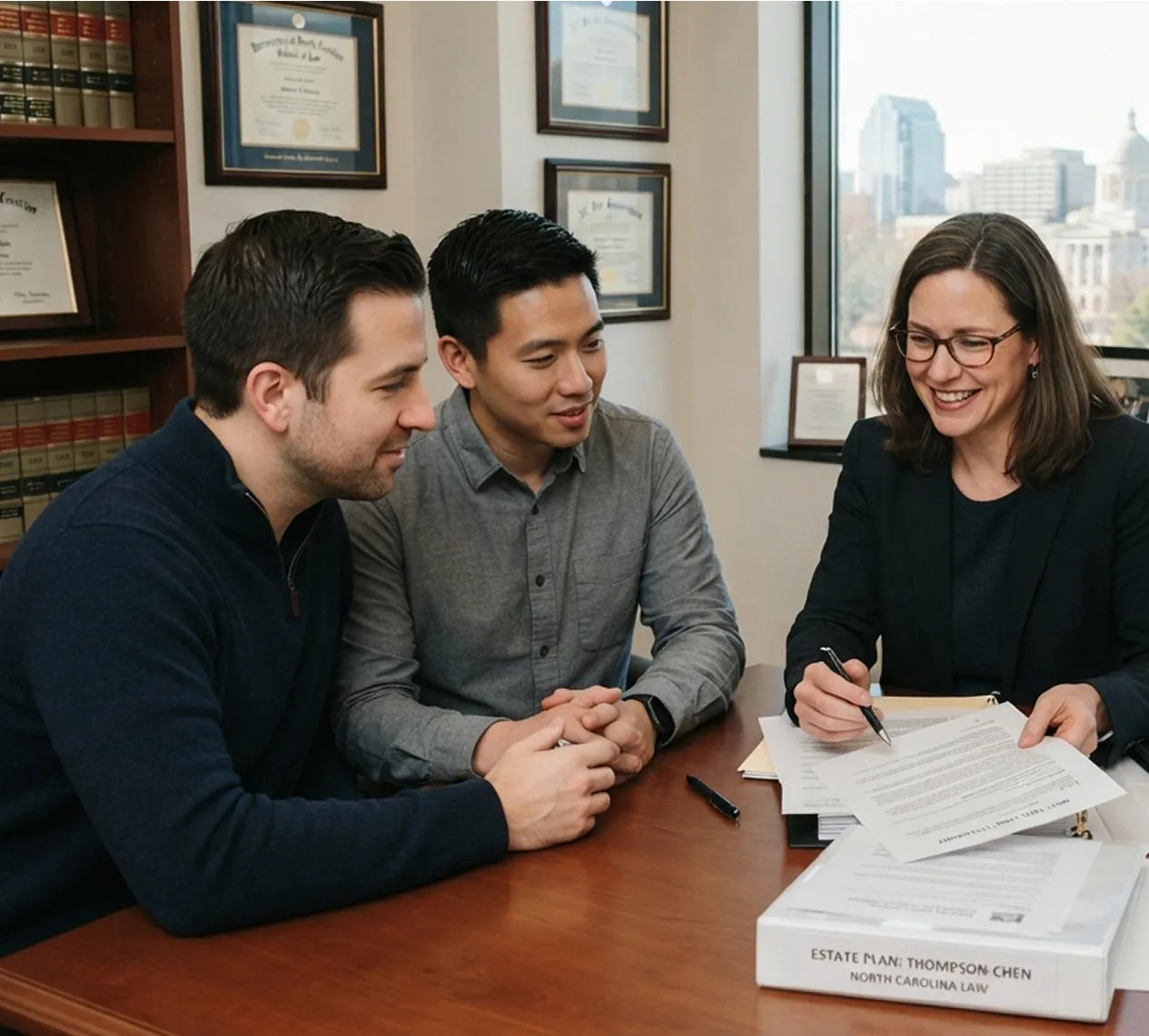
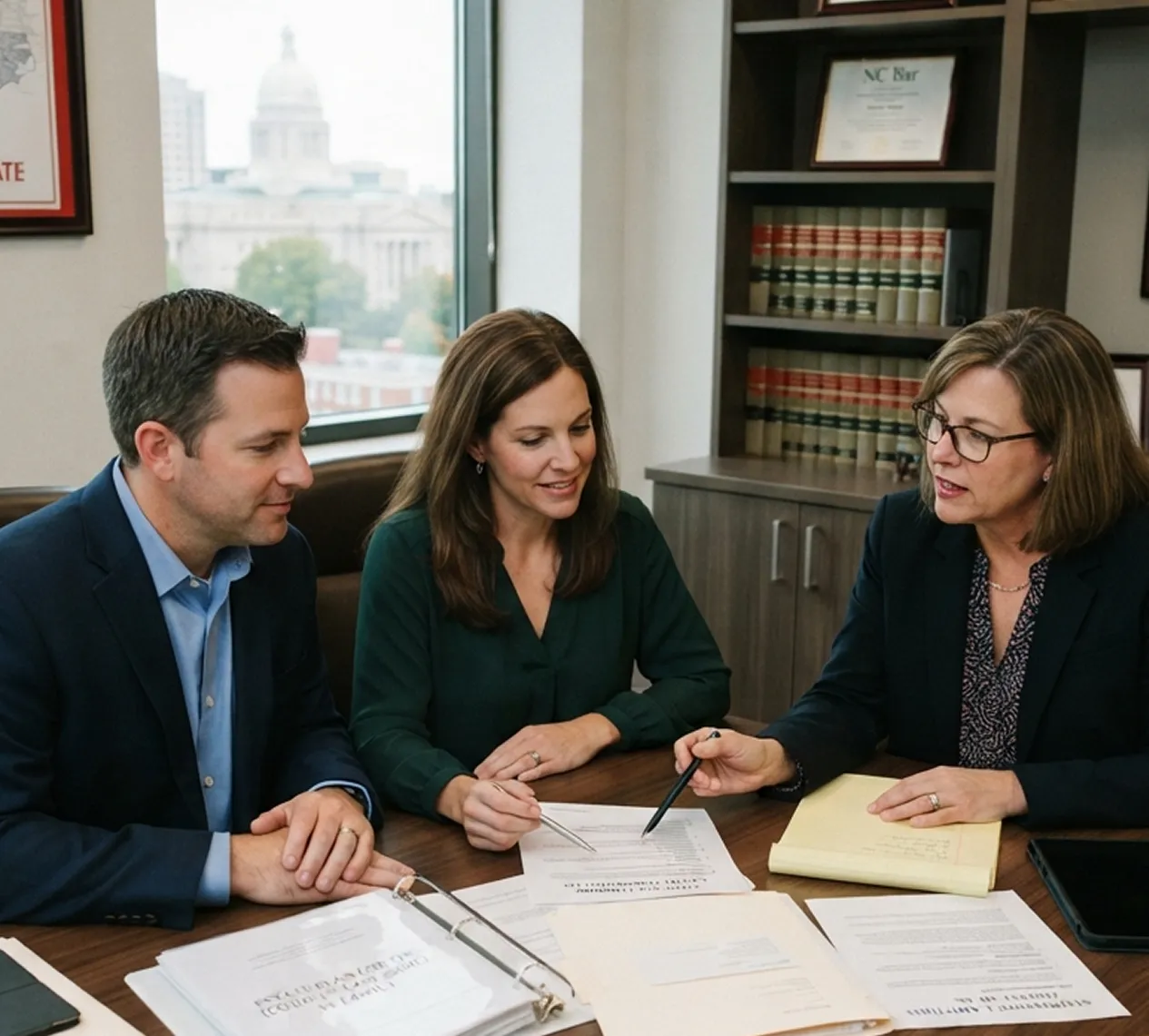
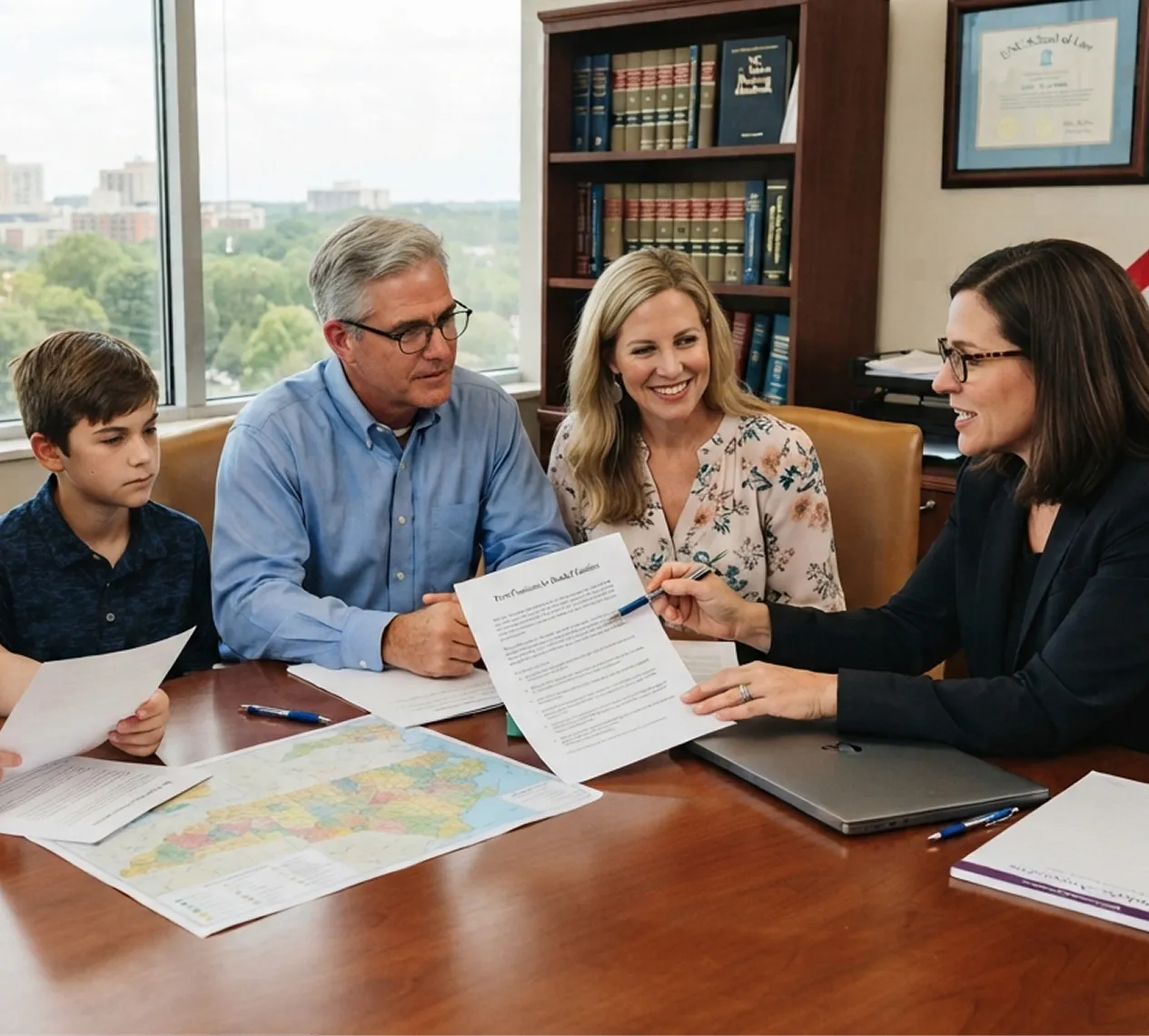
Blended families often have legal and financial arrangements that require careful attention. An experienced North Carolina estate planning attorney at our law firm can help you understand state inheritance laws, identify potential conflicts, and prepare documents that reflect your wishes.
An attorney can also help you establish trusts, review property ownership, coordinate beneficiary designations, and address concerns involving children from previous marriages.
Professional legal guidance can make the estate planning process more organized and help ensure your documents are properly prepared under North Carolina law.
Step 9: Review and Update Your Estate Plan
Your estate plan should change as your family and financial circumstances evolve. Marriage, divorce, remarriage, the birth or adoption of a child, property purchases, and significant financial changes may all require updates.
Review your will, trusts, powers of attorney, and beneficiary designations regularly. Make sure your chosen executor, trustee, and guardian are still appropriate.
Keeping everything current helps ensure your estate plan continues to reflect your family’s needs and your intended inheritance arrangements.
Common Estate Planning Mistakes Blended Families Should Avoid
Even a well-intentioned estate plan can create problems if important details are overlooked. Watch out for these common mistakes:
- Relying only on a will: A will may not control assets with designated beneficiaries or jointly owned property.
- Forgetting stepchildren: Stepchildren may not automatically inherit under North Carolina intestate succession laws.
- Ignoring beneficiary designations: Outdated retirement account or life insurance beneficiaries can lead to unintended distributions.
- Failing to establish trusts: Without appropriate arrangements, your spouse or children may not receive the protection you intended.
- Not communicating your wishes: Unclear expectations can create misunderstandings and family disputes.
- Never updating documents: Major family and financial changes should be reflected in your estate plan.
Avoiding these mistakes can make a significant difference in protecting your loved ones and preserving your intended inheritance.
Protect Your Family’s Future With a Customized Estate Plan
Every blended family has different relationships, financial responsibilities, and inheritance priorities.
A customized estate plan helps balance your spouse’s financial security with your desire to protect your children’s inheritance.
Whether you need a comprehensive will, a living trust, powers of attorney, or guidance on North Carolina inheritance laws, taking action now can help prevent unnecessary complications later. Contact our team to get started.
The goal is to create a plan that respects your family relationships and provides clear instructions for the future.
Final Verdict
Estate planning for blended families in North Carolina requires thoughtful decisions and careful legal preparation. By identifying your priorities, choosing the right documents, establishing trusts, and reviewing beneficiary designations, you can create a plan that protects your spouse and children.
Most importantly, don’t leave important inheritance decisions to chance. Working with an experienced North Carolina estate planning attorney can help you create a legally sound plan that supports your family’s needs and gives your loved ones greater peace of mind.