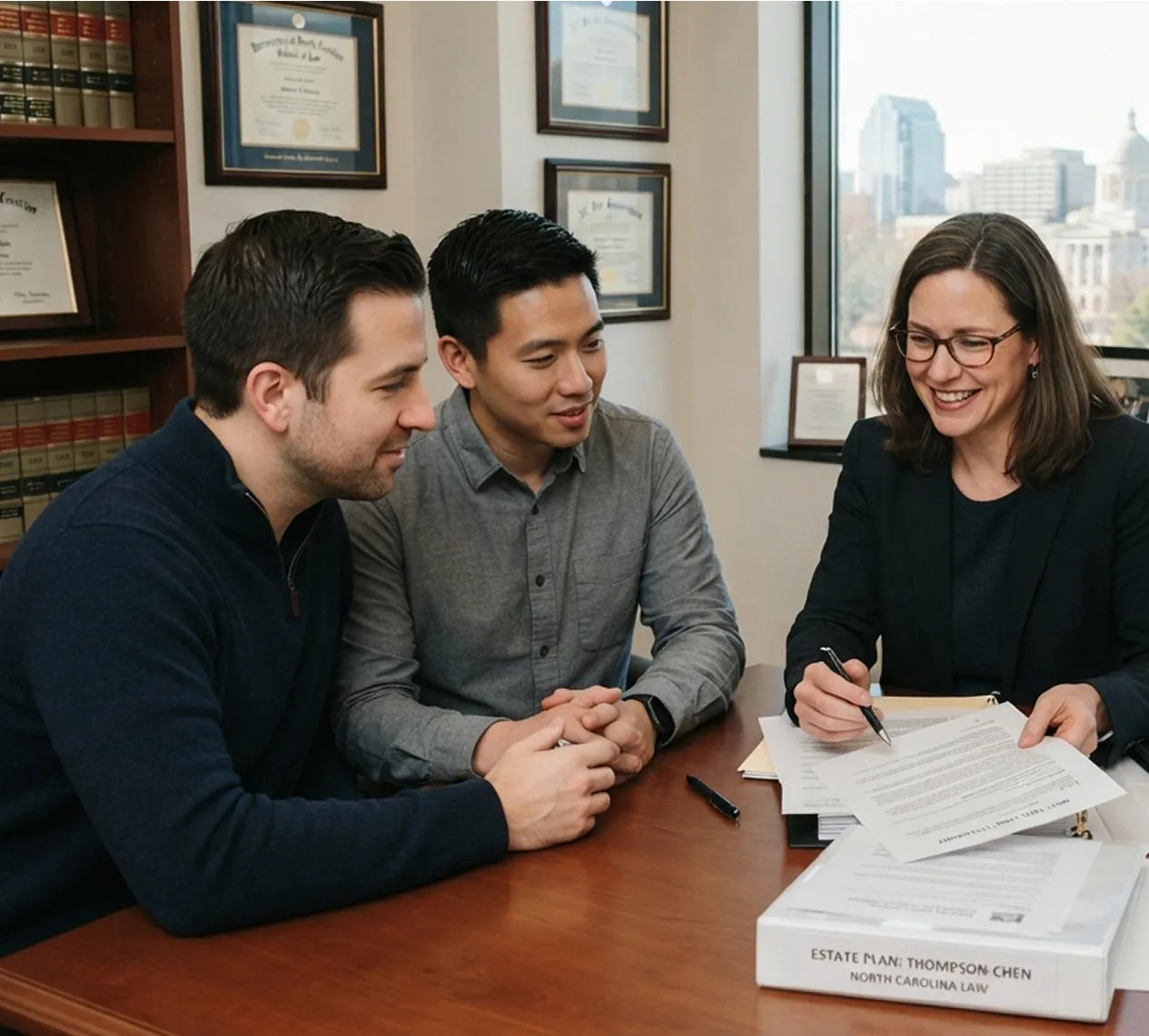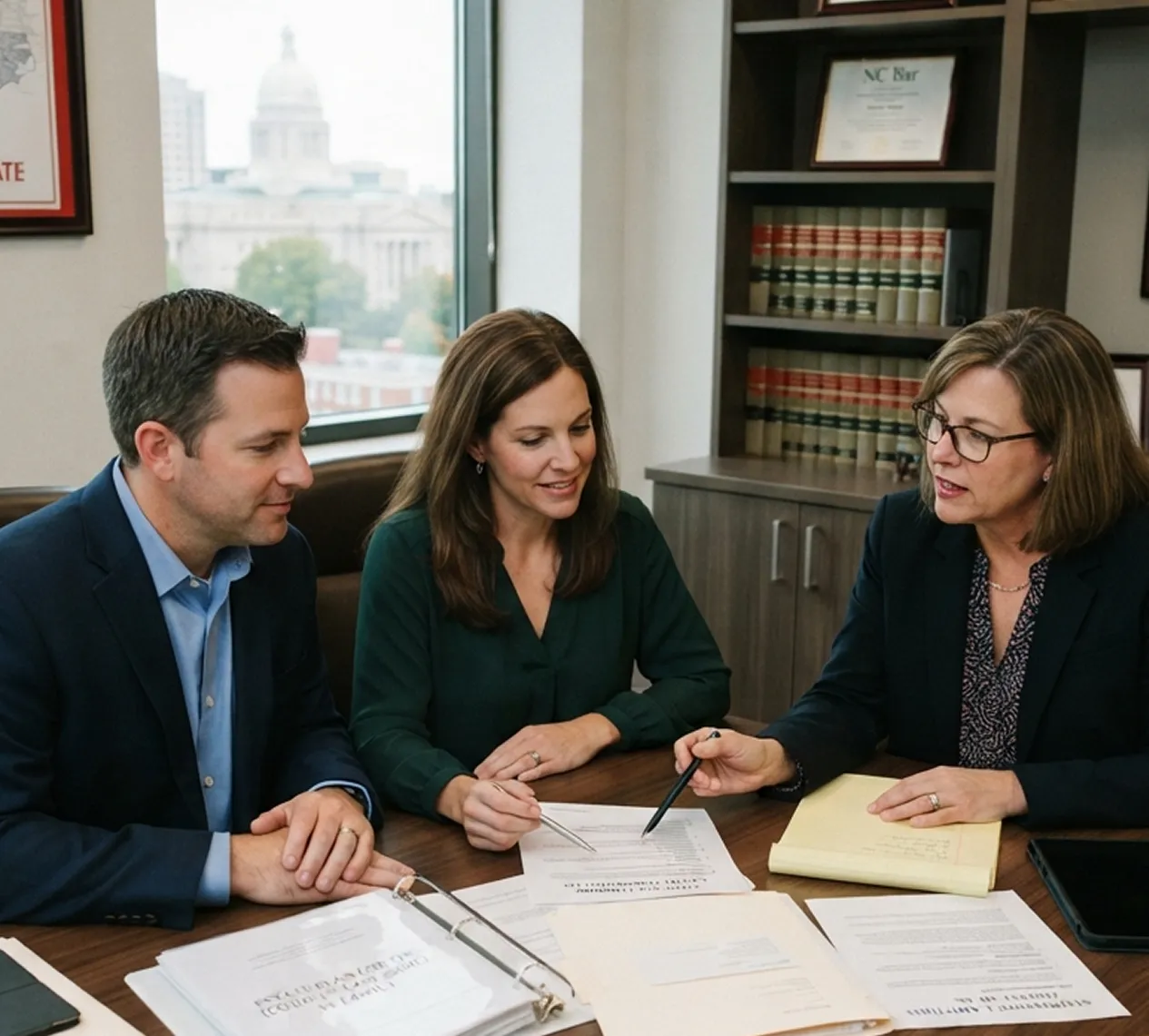

Retirement is a good time to think about how you want to manage your assets, property, and finances in the future. Whether you own a home, have retirement savings, or want to leave an inheritance to your children, a clear estate plan can help protect your wishes and provide your loved ones with financial security.
Estate planning for retirees in North Carolina involves more than writing a will. It includes preparing legal documents, planning for healthcare decisions, protecting retirement accounts, and understanding how your estate will be handled after your death. With the right plan, you can reduce confusion, avoid unnecessary legal complications, and make things easier for your family.
Here are the essential steps every North Carolina retiree should consider when creating or updating an estate plan.
1. Why Estate Planning Matters for Retirees in North Carolina
Estate planning allows you to decide what happens to your money, property, and personal affairs if you become unable to manage them or pass away. Without a plan, North Carolina laws may determine how certain assets are distributed.
It can help retirees:
- Ensure their assets go to their intended beneficiaries.
- Protect a surviving spouse and dependent family members.
- Reduce family disagreements over inheritance.
- Prepare for unexpected medical or financial situations.
- Make the transfer of property easier for loved ones.
2. Essential Legal Documents Every Retiree Should Have
A complete estate plan should include several important legal documents. Each serves a different purpose and helps ensure your wishes are respected.
- Last will: Explains how your property should be distributed and names an executor.
- Durable Financial Power of Attorney: Allows someone you trust to manage financial matters if you cannot.
- Healthcare Power of Attorney: Appoints someone to make medical decisions on your behalf.
- Living Will: Explains your preferences for life-prolonging treatment in certain medical situations.
- HIPAA Authorization: Allows designated individuals to access protected medical information.
3. Planning Your Will and Inheritance in North Carolina
Your will is one of the most important parts of estate planning. It identifies who should receive your assets and who will handle your estate. North Carolina also has intestate succession laws that determine inheritance when someone dies without a valid will.
To prepare your will:
- List your major assets and personal belongings.
- Choose beneficiaries for your inheritance.
- Appoint a reliable executor.
- Consider arrangements for minor or dependent family members.
- Review and update the document after major life changes.
4. Using Trusts to Protect Your Assets and Family’s Future
A trust can help retirees manage their assets and control how property is distributed. Depending on the type, it may also help reduce probate involvement and provide ongoing financial support for beneficiaries.
Common options include:
- Revocable Living Trust: Allows you to manage and change trust assets during your lifetime.
- Irrevocable Trust: Generally limits your ability to change or reclaim transferred assets.
- Special Needs Trust: Helps provide financial support for a beneficiary with disabilities without directly giving them the assets.
- Testamentary Trust: Created through instructions in your will and takes effect after your death.
5. Protecting Your Retirement Savings and Other Assets
Your retirement accounts, investments, savings, and insurance policies may represent a significant part of your estate. Make sure they are properly organized so your loved ones can receive the benefits you intend.
Consider these steps:
- Review beneficiaries on your 401(k), IRA, and life insurance policies.
- Keep bank accounts and investment records organized.
- Understand how joint ownership affects inheritance.
- Review your financial arrangements with a qualified advisor.
- Keep important account information accessible to your trusted representative.
Remember that some retirement accounts and insurance policies transfer directly to named beneficiaries rather than through your will.
6. Planning for Healthcare, Medicaid, and Long-Term Care
Healthcare planning becomes increasingly important during retirement. Nursing home care, assisted living, and in-home support can create significant expenses, so it is worth preparing before you need these services.
North Carolina retirees should consider:
- Comparing long-term care insurance options.
- Understanding Medicaid eligibility and asset requirements.
- Preparing a healthcare power of attorney.
- Discussing nursing home and in-home care preferences with family.
- Understanding North Carolina’s Medicaid Estate Recovery Program.
North Carolina may seek Medicaid reimbursement from the estates of certain beneficiaries aged 55 and older who received covered services. Exceptions and protections may apply, so consult an elder law attorney before transferring assets or making major financial decisions.
7. Protecting Your Home and Property as You Age
For many retirees, their home is their most valuable asset. Planning can help protect your ownership interests and make property transfers easier.
Here are some useful steps:
- Review how your home is titled.
- Consider whether a trust fits your estate plan.
- Understand the consequences of adding children to your property deed.
- Review property insurance and outstanding mortgage obligations.
- Plan how your home should be transferred or sold after your death.
Avoid transferring property without understanding the potential tax, Medicaid, and ownership consequences.
8. Understanding Estate Taxes and Inheritance in North Carolina
North Carolina does not currently impose a separate state estate or inheritance tax. However, federal estate tax rules may apply to estates that exceed the applicable exemption.
Retirees should:
- Estimate the total value of their estate.
- Review federal estate tax requirements.
- Understand potential capital gains tax implications.
- Keep beneficiary designations updated.
- Consult a tax professional about large inheritances and gifts.
Even without state estate or inheritance taxes, proper planning can help beneficiaries avoid unnecessary financial complications.
9. Understanding Probate and What Happens After You Pass Away
Probate is the legal process of validating a will, identifying estate assets, addressing debts, and distributing remaining property. In North Carolina, probate matters are generally handled through the Clerk of Superior Court. You can see how the NC probate process works step by step before your family has to go through it.
To prepare your family:
- Choose a dependable executor.
- Keep your original will in a secure, accessible place.
- Organize financial and property records.
- Maintain an updated list of beneficiaries.
- Discuss your wishes with the people responsible for your estate.
Some assets, such as accounts with valid beneficiary designations, may transfer outside probate.
10. Estate Planning for Different Retirement Situations
Every retiree has different financial responsibilities and family circumstances. Your estate plan should reflect your personal situation.
Consider these situations:
- Married Retirees: Plan how assets will be distributed between spouses and what happens after the surviving spouse passes away.
- Single Retirees: Appoint trusted individuals to handle financial and healthcare decisions.
- Blended Families: Clearly document inheritance wishes to reduce potential disagreements between children and stepchildren.
- Retirees with Dependents: Consider trusts and other arrangements to provide long-term financial support.
- Retirees with Significant Assets: Explore advanced estate planning strategies with an attorney.
11. Choosing the Right Estate Planning Attorney in North Carolina
An experienced estate planning attorney at our law firm can help you prepare legally valid documents and create a plan that meets your retirement goals.
Before hiring an attorney:
- Look for experience in North Carolina estate planning law.
- Ask whether they handle wills, trusts, probate, and elder law.
- Discuss their fees and services.
- Check their professional background and client reviews.
- Choose someone who explains legal matters in simple language.
The right attorney can help you avoid common mistakes and keep your estate plan updated as your circumstances change.
12. Estate Planning Checklist for North Carolina Retirees
Use this checklist to review the important parts of your estate plan:
- Prepare or update your last will.
- Establish a durable financial power of attorney.
- Complete a healthcare power of attorney and living will.
- Review retirement account and insurance beneficiaries.
- Consider whether a trust is appropriate.
- Organize property, investment, and financial records.
- Review long-term care and Medicaid planning.
- Choose a reliable executor.
- Discuss your wishes with family members.
- Schedule regular estate plan reviews.
13. Final Thoughts
Estate planning gives North Carolina retirees greater control over their financial future and the legacy they leave behind. From preparing a will and establishing trusts to planning for healthcare and long-term care, every step can make a difference in protecting your family.
You do not need to have substantial wealth to benefit from an estate plan. Even a modest estate deserves proper planning and clear instructions.
Consider working with an experienced North Carolina estate planning attorney to review your circumstances, prepare the necessary legal documents, and create a plan that reflects your wishes. Starting early can give you greater peace of mind and make the future easier for your loved ones.