
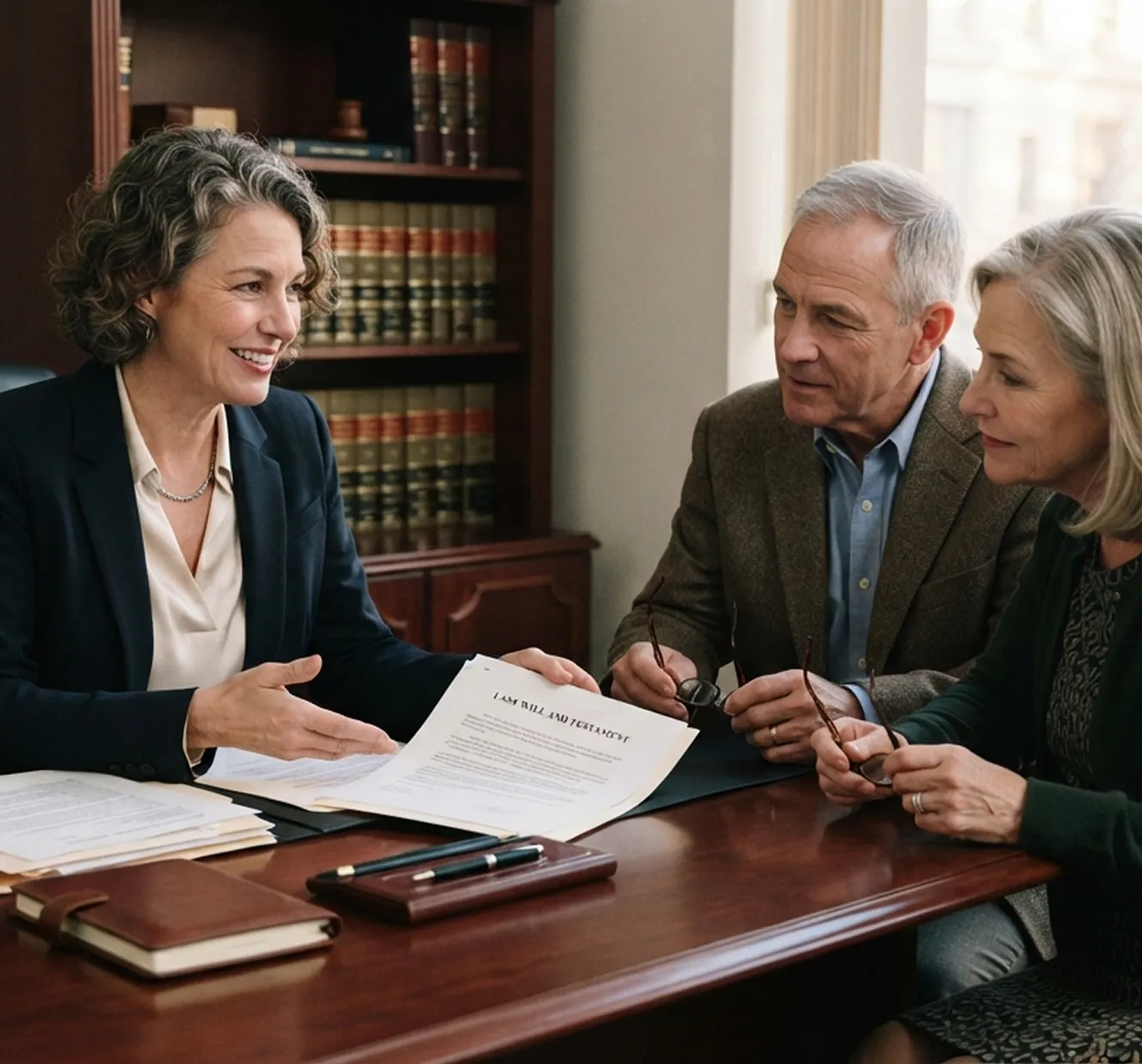
Making a will is an important step in protecting your family and deciding what happens to your property after your death. However, simply writing down your wishes does not automatically make a will legally valid in North Carolina.
North Carolina has specific rules about who can make a will, how it must be signed, and what witnesses are required. Understanding these requirements can help you avoid mistakes that may cause disputes or delays during probate.
This guide explains the legal requirements for a valid will in North Carolina, common mistakes to avoid, and how to create or update your will to protect your wishes.
What Makes a Will Valid in North Carolina?
Under North Carolina law, a will must meet certain legal requirements to be accepted by the court. Generally, a valid will must:
- Be created by someone who has the legal capacity to make a will.
- Clearly express the person’s wishes about how their property should be distributed.
- Follow the state’s signing and witnessing requirements.
- Be made voluntarily, without fraud, threats, or undue influence.
North Carolina recognizes both attested written wills and holographic wills, provided they meet the legal conditions under state law.
Following these requirements helps ensure that your estate is distributed according to your wishes.
Who Can Make a Will in North Carolina?
Not everyone can legally create a will. Under North Carolina General Statutes § 31-1, a person must generally meet two basic conditions:
- Age: The person must be at least 18 years old.
- Mental capacity: They must be of sound mind when making the will.
Being of sound mind generally means understanding that you are creating a will, knowing what property you own, and recognizing the people who would normally be expected to inherit from you.
A person does not automatically lose the right to make a will because of a medical condition or disability. The important question is whether they have the required mental capacity when signing it.
Types of Wills Allowed in North Carolina
North Carolina law recognizes two main types of wills:
Attested Written Will
This is the most common type of will. It is written, signed by the person making it, and witnessed by at least two qualified individuals.
Both witnesses must sign the will in the required manner for it to meet North Carolina’s legal standards.
Holographic Will
A holographic will is handwritten entirely by the person making it. It does not require traditional witnesses, but it must meet specific legal conditions.
For example, the material provisions must be in the person’s handwriting, and the document must be found after death among certain personal effects, deposited for safekeeping with an appropriate person or institution, or otherwise qualify under the statute.
Although handwritten wills are allowed, they can create confusion if the wording is unclear.
Legal Requirements for Signing a Will in North Carolina
Signing and witnessing are important parts of making a valid will.
For a standard attested written will, North Carolina generally requires:
- The person making the will must sign it at the end.
- At least two competent witnesses must witness the signing or acknowledge the person’s signature.
- Each witness must sign the will in the person’s presence.
The witnesses do not need to know what the will contains. Their role is to confirm the proper signing process.
It is also important to choose reliable witnesses who can be contacted if the will is later challenged.
Does a Will Need to Be Notarized in North Carolina?
No. North Carolina does not require a standard written will to be notarized to make it legally valid. However, notarization can be useful if you want to make your will self-proved.
A self-proved will includes a sworn statement from the person making the will and affidavits from the witnesses, completed before an authorized officer, such as a notary public.
This can make the probate process easier because the court may not need to contact the witnesses to confirm the will’s signing.
In other words, notarization is not a basic requirement for a valid will, but it can provide an additional layer of convenience.
What Makes a Will Invalid in North Carolina?
A will may be challenged or rejected if it does not follow North Carolina’s legal requirements. Common problems include:
- Missing witnesses: A standard written will without two qualified witnesses may be invalid.
- Incorrect signing: The person making the will or the witnesses do not follow the required signing process.
- Lack of mental capacity: The person does not have the required mental ability when creating the will.
- Undue influence: Someone pressures or manipulates the person into making decisions against their wishes.
- Fraud or forgery: The document contains false information or a forged signature.
- Unclear instructions: Confusing language creates uncertainty about how property should be distributed.
Even a small mistake can lead to family disagreements, legal challenges, and delays in probate. Following the correct process can help prevent these problems.
How to Make or Update a Will in North Carolina
Creating a will does not have to be complicated. However, it is important to make sure every legal requirement is followed.
Here are some practical steps:
- List your assets: Identify your property, savings, investments, and other valuable belongings.
- Choose your beneficiaries: Decide who should receive your property after your death.
- Select an executor: Name a trusted person to manage your estate and carry out your instructions.
- Choose guardians: If you have minor children, consider naming someone to care for them.
- Prepare your will: Write clear instructions that explain how your assets should be distributed.
- Sign it correctly: Follow North Carolina’s requirements for witnesses and signatures.
- Store it safely: Keep the original will in a secure place where your executor or family can find it.
You should also review your will after major life changes, such as marriage, divorce, having children, or purchasing property. An existing will can generally be changed through a properly executed new will or codicil.
An estate planning law firm can help you prepare or update your will while avoiding common legal mistakes.
What Happens If You Die Without a Valid Will?
If you die without a valid will in North Carolina, you are considered to have died intestate. This means state intestate succession laws determine who inherits your estate.
Generally, your surviving spouse, children, parents, siblings, or other relatives may inherit depending on your family situation and which relatives survive you.
For example, if you leave a spouse and children, your estate may be divided between them according to North Carolina law. The exact distribution depends on factors such as the number of children and the type and value of property involved.
Dying without a will also means you lose control over important decisions, including who receives your assets and who manages your estate.
Creating a valid will gives you greater control over these decisions and can help reduce uncertainty for your family.
Final Thoughts
Creating a valid will in North Carolina is one of the best ways to protect your family and make sure your wishes are respected. Whether you want to distribute your property, provide for your children, or choose someone to manage your estate, a properly prepared will can make the process easier.
Remember that signing a document is not enough. You must follow the state’s legal requirements for mental capacity, signatures, and witnesses.
If you are unsure how to prepare or update your will, consider working with a qualified North Carolina estate planning attorney. Professional guidance can help you avoid costly mistakes and give your family greater peace of mind.