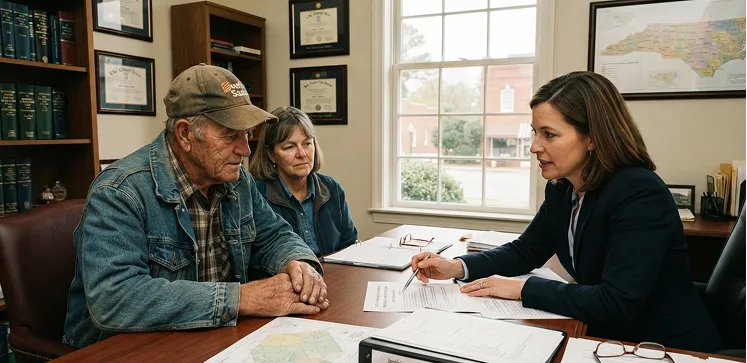
Farming in North Carolina is more than a livelihood. For many families, the land, equipment, livestock, and farm business represent generations of work and the legacy they hope to pass on.
Without a clear estate plan, however, farm families can face disputes between heirs, unexpected tax bills, and even the forced sale of land that has been in the family for decades. Farmland is often the family’s largest asset, yet it is also hard to divide fairly, especially when only some children want to farm.
Estate planning for farmers in North Carolina helps protect your land, keep the operation running, and make sure your wishes are followed. This guide covers the key steps, documents, and legal issues every farm family should understand.
Why Estate Planning Is Important for North Carolina Farmers
A farm is both a home and a business, which makes estate planning more complex than it is for most families. Land, machinery, crops, livestock, and farm income all need to be considered together.
A well-prepared estate plan can help you:
- Keep farmland in the family and reduce the risk of a forced sale.
- Decide who will own the land and who will manage the operation.
- Treat farming and non-farming heirs fairly.
- Protect the farm if you become sick or injured and cannot work.
- Reduce taxes and avoid unnecessary delays in settling the estate.
Planning ahead also gives your spouse and children clear instructions at a time when they are already coping with a loss.
Common Estate Planning Challenges for Farm Families
Farm families often face problems that other families do not. Recognizing them early makes them easier to solve.
- Land-rich, cash-poor estates: The farm may be worth a great deal, but most of that value is tied up in land and equipment. Heirs may struggle to pay taxes, debts, or buyouts without selling part of the farm.
- Unequal involvement: One child may work the farm every day while others live elsewhere. Dividing everything equally can force the farming child to buy out siblings or sell.
- Heirs’ property: When land passes to several heirs without a will, they typically own it together. Any one of them can ask a court to order a forced sale through a partition action, even if the others want to keep the land.
- Verbal promises: Telling a child “the farm will be yours” does not control who inherits. Without proper documents, verbal promises about who will get the farm often fail when a will says something different.
- Unclear ownership records: Old deeds, boundary questions, and unrecorded transfers can complicate inheritance. Resolving title defects before a transfer is much easier than after.
Essential Estate Planning Documents for Farmers
A complete farm estate plan usually includes several legal documents that work together.
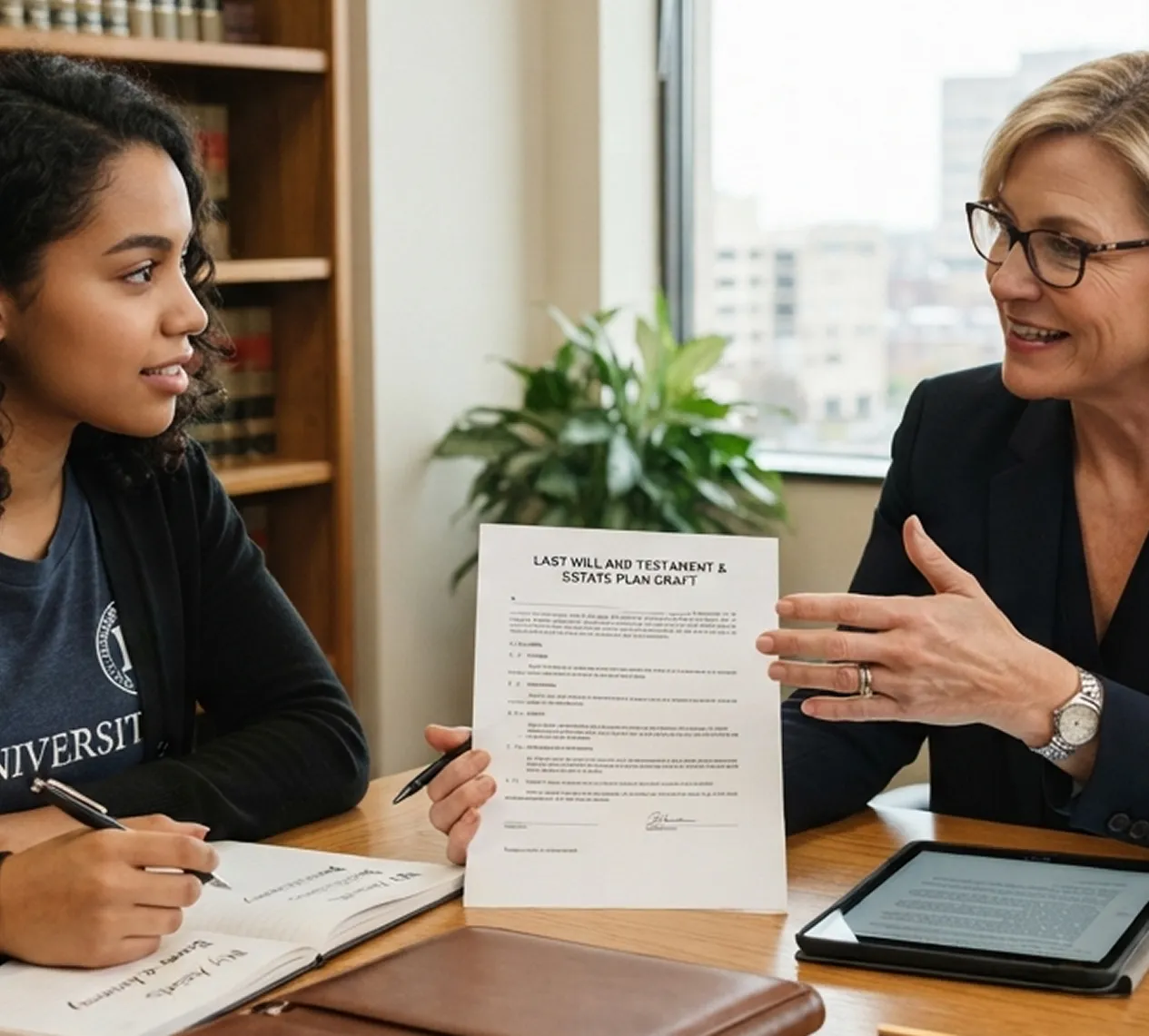
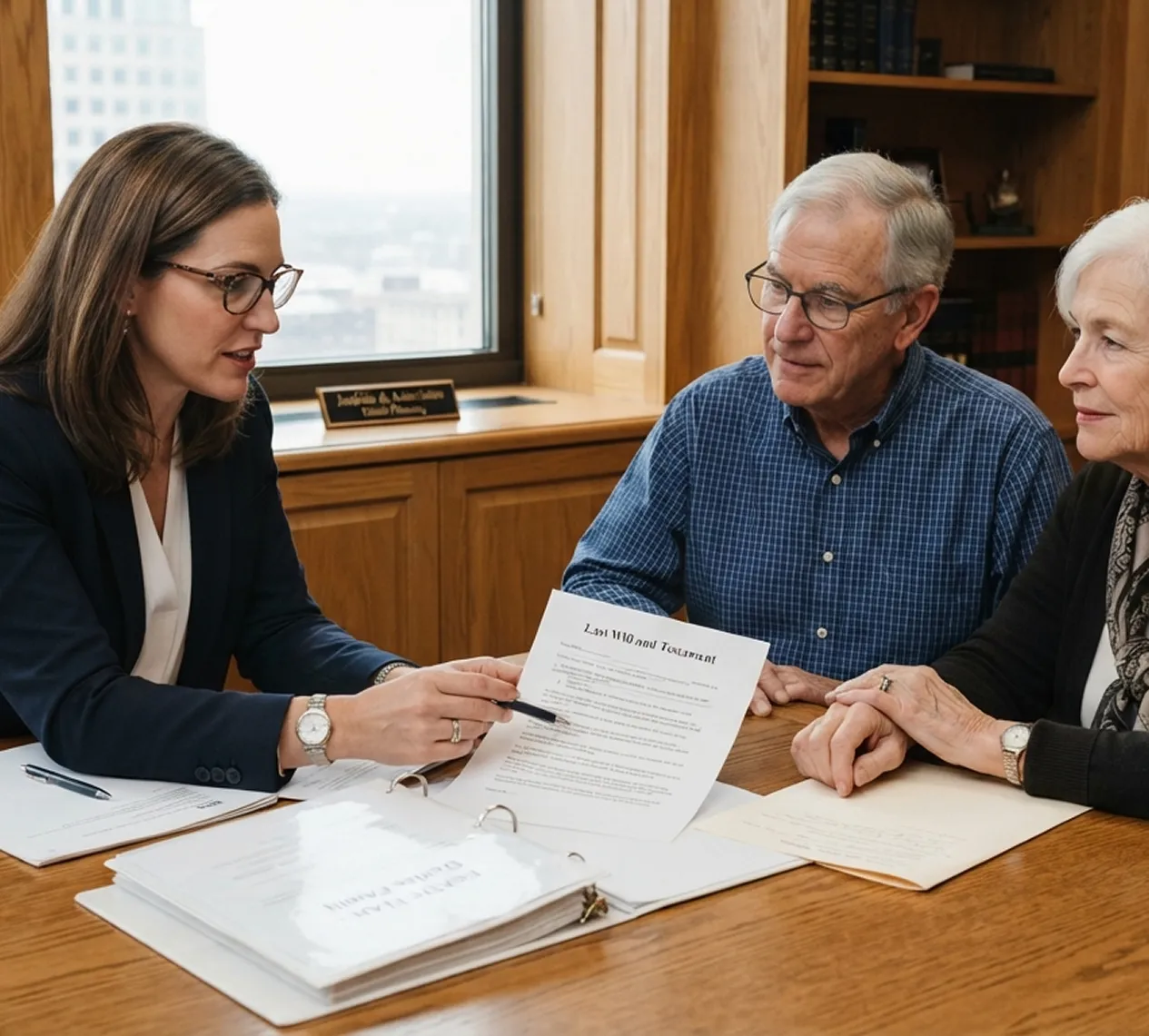
- Last Will and Testament: Names who receives your land, equipment, and personal property, and appoints an executor. If you die without a will, North Carolina’s intestacy laws decide who inherits, which may not match your wishes.
- Revocable Living Trust: Lets you keep control during your lifetime and sets out how and when the farm passes to your heirs. Property properly transferred into the trust generally does not need to go through probate.
- Durable Financial Power of Attorney: Allows someone you trust to pay farm bills, manage accounts, and sign leases or contracts if you cannot.
- Healthcare Power of Attorney and Living Will: Name who makes medical decisions for you and record your treatment preferences.
- Farm Entity Documents: Operating agreements, partnership agreements, or corporate bylaws should match your estate plan so they do not create conflicting instructions.
- Beneficiary Designations: Life insurance, retirement accounts, and some bank accounts pass to the named beneficiary regardless of what your will says.
Farm Succession Planning in North Carolina
Succession planning answers two separate questions: who will own the farm, and who will run it. These are not always the same person.
Many families start by talking openly about each person’s goals. Some heirs want to farm, some want to keep a share of the land as an investment, and some would prefer cash. A written plan can balance these interests, for example by leaving the land and equipment to the heir who farms while giving other heirs other assets, life insurance proceeds, or a lease or buyout arrangement.
A good succession plan should also cover day-to-day management, how and when decisions will be made, and how the farm will keep operating during the transition. Treating the operation as a business matters here, and our guide to a business succession plan explains many of the same principles.
NC FarmLink, a program of NC State Extension, offers free farm succession consultations to North Carolina farmers and landowners.
Protecting Farmland and Preventing Forced Sales
One of the biggest threats to family farmland is shared ownership without a plan. When several heirs inherit land together and disagree about what to do with it, a court can order the land sold. Heirs who want to keep farming may have little say.
Estate planning tools that can help reduce this risk include:
- Leaving land to a trust or limited liability company (LLC) rather than to several heirs as individual co-owners.
- Using an LLC operating agreement to limit who can own interests and to restrict partition rights.
- Naming a trustee or manager with clear authority to lease or operate the farm.
- Including buy-sell or right-of-first-refusal terms so family members can purchase an heir’s interest.
- Resolving disputes early. For example, if heirs disagree about whether one sibling can build on inherited land, a written agreement can prevent a lawsuit later.
The right structure depends on your family, your land, and your tax situation, so it should be designed with an attorney.
Present-Use Value and Property Tax Planning
Many North Carolina farms are enrolled in the Present-Use Value (PUV) program, which taxes qualifying farmland, horticultural land, and forestland based on its value in current use rather than its higher market value. The difference in taxes is deferred rather than forgiven.
PUV matters in estate planning for two reasons:
- Rollback taxes: If land leaves the program, deferred taxes for the current year and the three previous years, plus interest, generally become due.
- Ownership requirements: The program has individual ownership requirements, and transfers of enrolled land must be handled carefully so the property keeps qualifying. Deeding land to a new owner or entity without planning can put the tax benefit at risk.
Before transferring enrolled land by deed, will, or trust, check how the transfer will affect PUV status and file any required applications on time.
Estate Taxes and Inheritance Taxes for Farmers
North Carolina does not currently impose a state estate or inheritance tax. Federal estate tax applies only to estates above the federal exemption. For 2026, the exemption is $15 million per individual, or $30 million for a married couple, and it is adjusted for inflation in later years.
Most North Carolina farm estates fall below that threshold, but land values can be higher than owners expect. Farm families with larger estates may be able to use federal tools such as special use valuation under Section 2032A of the Internal Revenue Code or installment payment of estate tax under Section 6166, if they qualify.
Income tax is also important. Assets inherited at death generally receive a stepped-up tax basis, while property given away during life generally keeps the original owner’s basis. That difference can have a large effect on capital gains taxes, so gifting farmland should be planned with an attorney and a tax professional.
Planning for Incapacity, Medicaid, and Long-Term Care
Estate planning is not only about death. If you become incapacitated without a power of attorney, your family may need a court proceeding before anyone can pay bills, sell livestock, or manage the farm.
Long-term care is another concern. Nursing home costs can threaten farmland, and North Carolina may seek reimbursement from the estates of some Medicaid recipients. Farmers who are approaching retirement should review how their land is titled and discuss long-term care planning before transferring property, since transfers made for less than fair value can affect Medicaid eligibility.
Using Trusts to Protect Farm Assets
Trusts are especially useful for farm families because they give you control over how and when the land is passed on.
- Revocable trust: You keep control during your lifetime, can change the terms, and can name a successor trustee to step in if you become incapacitated.
- Irrevocable trust: Transferring assets into an irrevocable trust generally means giving up control, but it may offer additional asset protection benefits depending on how it is structured.
- Testamentary trust: Created in your will and takes effect after your death, often to manage property for minor children or heirs who need help managing an inheritance.
- Special needs trust: Can provide for a disabled family member without affecting eligibility for means-tested government benefits.
A properly funded trust can also help your family avoid probate for the assets it holds.
Choosing the Right Executor, Trustee, and Farm Manager
The people you choose matter as much as the documents. For a farm, you may need to name different people for different roles.
- Executor or trustee: Someone organized and trustworthy who can handle legal and financial duties. Our guide on how to choose an executor explains what to look for.
- Farm manager: A family member, partner, or experienced employee who understands daily operations.
- Agent under power of attorney: A person you trust to keep the farm’s finances running if you cannot.
Talk with each person before naming them. Make sure they understand the farm, are willing to serve, and know where important records are kept.
Common Estate Planning Mistakes Farmers Should Avoid
Even careful farm families can make mistakes that are expensive to fix. Watch for these:
- Dying without a will and leaving land to heirs as co-owners.
- Relying on verbal promises instead of written documents.
- Dividing everything equally without considering who actually farms.
- Transferring PUV land without checking the tax consequences.
- Ignoring beneficiary designations on insurance and retirement accounts.
- Failing to coordinate the will, trust, and farm entity documents.
- Waiting until illness or retirement to start planning.
- Not keeping deeds, leases, equipment lists, and financial records organized.
Most of these problems can be avoided with early planning and regular reviews.
Steps to Create an Estate Plan for Your Farm
A step-by-step approach makes the process more manageable.
- List your assets: Include land, buildings, equipment, livestock, crops, bank accounts, investments, insurance, and debts.
- Confirm ownership: Review deeds, leases, entity documents, and how each asset is titled.
- Set your goals: Decide who should own the land, who should manage the farm, and how non-farming heirs will be treated.
- Talk with your family: Open conversations now can prevent disputes later.
- Choose your structure: Consider wills, trusts, LLCs, and buy-sell terms.
- Check tax effects: Review PUV, income tax, and federal estate tax with a qualified professional.
- Sign and store your documents: Follow North Carolina signing requirements and keep originals in a safe, known location.
- Review regularly: Update your plan after births, deaths, marriages, land purchases, or changes to the operation.
Why Work With a North Carolina Estate Planning Attorney?
Farm estates combine real estate, business, tax, and family issues. An experienced estate planning attorney at our law firm can review your land records, explain how North Carolina law applies, and prepare documents that fit your farm and your family.
An attorney can also coordinate with your accountant, lender, and insurance agent so that your estate plan, farm entity documents, and tax strategy all work together.
The earlier you start, the more options you have.
Final Thoughts
Estate planning for farmers in North Carolina is about protecting both a family and a way of life. A clear plan can keep farmland intact, reduce conflict between heirs, and give the next generation a real chance to carry the farm forward.
Start by listing your assets, talking with your family, and meeting with an attorney. Review the plan regularly as your farm and family change.
Do not wait for a crisis to decide what happens to the farm you built.