
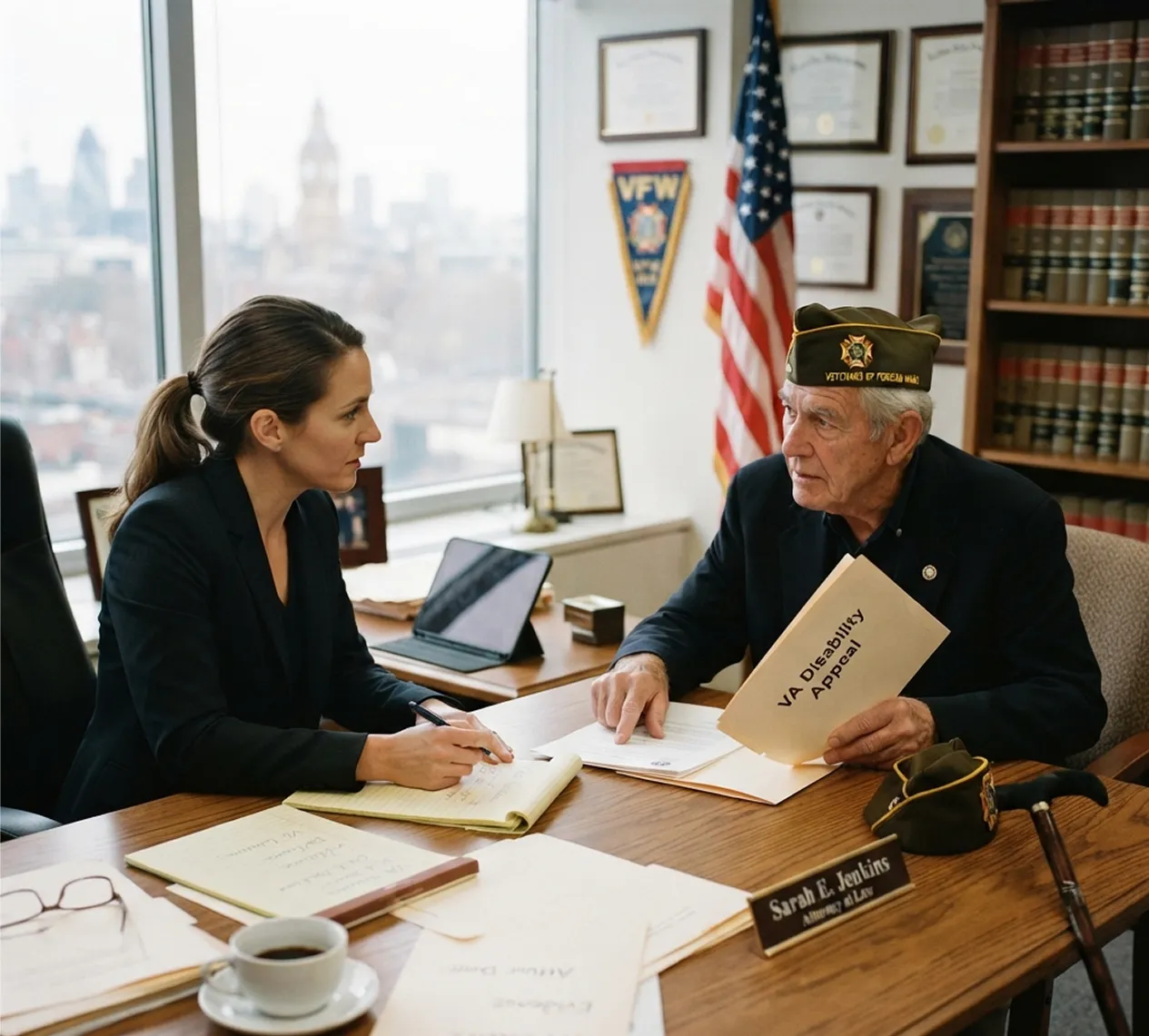
Estate planning helps military veterans protect their assets, provide for their families, and make sure their wishes are followed. It allows you to decide who will inherit your property and who can manage your finances if you become unable to do so.
For veterans living in North Carolina, planning also involves understanding military retirement benefits, VA benefits, survivor programs, and state inheritance laws. These factors can affect how your assets are managed and passed on to your loved ones.
This guide explains the essential estate planning documents, legal requirements, and important steps North Carolina veterans should take to protect their families and secure their financial future.
Step 1: Understand Why Estate Planning Matters for North Carolina Veterans
Military veterans may have financial benefits and family responsibilities that require additional planning. An estate plan helps organize these resources and provides instructions for handling them.
Four important reasons to establish an estate plan include:
- Protecting your family: Decide how your spouse, children, and other dependents will receive financial support.
- Managing retirement assets: Address military retirement income, savings, investments, and insurance.
- Preparing for incapacity: Appoint trusted individuals to handle financial and healthcare decisions if you cannot make them yourself. Without a power of attorney, incapacity can leave your family without legal authority to act for you.
- Reducing inheritance disputes: Provide clear instructions about property ownership and asset distribution.
Step 2: Understand North Carolina Estate Planning Laws for Veterans
Military veterans in North Carolina generally follow the same estate planning and probate laws as other residents. However, some state laws include special provisions for wills created during military service.
Important North Carolina Laws Veterans Should Know
| Law | What It Means |
|---|---|
| N.C. Gen. Stat. § 31-1 | Sets the age and mental capacity requirements for making a will. |
| N.C. Gen. Stat. § 31-3.3 | Explains the signing and witnessing requirements for written wills. |
| N.C. Gen. Stat. § 29-14 | Determines a surviving spouse’s inheritance when someone dies without a will. |
| Chapter 28A | Covers probate and estate administration. |
| N.C. Gen. Stat. § 28A-2A-11 | Provides a special procedure for proving certain military wills. |
| Chapter 32C | Covers financial powers of attorney. |
Special Rule for Military Wills: Under N.C. Gen. Stat. § 28A-2A-11, certain wills made by military members can qualify for a special probate procedure. This may apply when witnesses are unavailable, subject to specific legal requirements, including verification by three credible witnesses.
What Happens If a Veteran Dies Without a Will?
If a veteran dies without a valid will, North Carolina’s intestate succession laws determine who inherits their property. For a closer look at these rules, read what happens if you die without a will in North Carolina.
A surviving spouse’s inheritance depends on whether the veteran leaves children, grandchildren, or surviving parents. The rules also differ for real estate and personal property.
Step 3: Prepare the Essential Estate Planning Documents
Every veteran should consider preparing the legal documents needed to manage their property, healthcare decisions, and inheritance arrangements.
Estate Planning Document Checklist
- Last will: Names beneficiaries, identifies an executor, and explains how your property should be distributed. Under North Carolina law, a standard written will generally requires the testator’s signature and at least two competent witnesses. Review the legal requirements for a valid will in North Carolina to make sure yours holds up.
- Revocable Living Trust: Allows you to transfer eligible assets into a trust during your lifetime and establish instructions for their future distribution.
- Durable Financial Power of Attorney: Appoints someone to manage your finances, property, and other authorized financial matters if you become incapacitated.
- Healthcare Power of Attorney: Names someone to make medical decisions when you cannot communicate your wishes.
- Living Will: Documents your preferences concerning life-prolonging treatment in qualifying medical circumstances.
- Beneficiary Designations: Identifies who should receive life insurance proceeds, retirement accounts, and other assets with designated beneficiaries.
Important legal consideration: Under North Carolina General Statutes Chapter 32C, certain actions under a financial power of attorney, including changing beneficiary designations, require specific authorization.
Step 4: Protect Military Retirement and VA Benefits
Military retirement and VA benefits require separate consideration because they do not all become inheritable assets after a veteran’s death.
Military Benefits to Include in Your Estate Plan
- Military Retirement Pay: Generally stops upon the retiree’s death, but eligible survivors may receive continuing payments through the Survivor Benefit Plan (SBP).
- VA Disability Compensation: Is generally not inherited, although eligible surviving family members may qualify for certain VA benefits.
- VA Pension: Eligible surviving spouses or dependents may qualify for survivor pension programs under applicable requirements.
- Dependency and Indemnity Compensation (DIC): Provides tax-free monthly compensation to eligible survivors under VA rules.
- Life Insurance: Review SGLI, VGLI, and other insurance policies to ensure beneficiary information is current.
Veterans should review these benefits with the Department of Veterans Affairs and the appropriate military retirement office.
Step 5: Plan for Your Spouse, Children, and Dependents
Your estate plan should address the needs of everyone who depends on your income or financial support.
Consider these five family protection arrangements:
- Name your spouse and children as appropriate beneficiaries.
- Appoint guardians for minor children through your will.
- Establish trusts when children need help managing inherited assets.
- Make specific arrangements for children from previous marriages, as explained in our guide to estate planning for blended families in North Carolina.
- Consider a special needs trust for a disabled beneficiary who receives means-tested government assistance.
Step 6: Protect Assets and Reduce Probate Complications
Probate is the legal process of administering an estate after death. North Carolina probate proceedings are generally handled through the Clerk of Superior Court. You can see how the NC probate process works step by step before your family has to go through it.
Veterans can consider several strategies to simplify asset distribution:
- Transfer appropriate assets into a properly funded living trust.
- Review joint property ownership and real estate deeds.
- Use payable-on-death or transfer-on-death arrangements where available.
- Keep retirement and insurance beneficiaries updated.
- Organize financial records and important legal documents for your executor. If you have not chosen one yet, see how to choose an executor for your NC estate.
Not every asset passes through probate, and a will alone does not prevent probate. Learn whether you can avoid probate in North Carolina with the right planning.
Step 7: Update Your Estate Plan After Military Retirement or Relocation
An estate plan should change as your family, finances, and military benefits evolve.
Review your documents after:
- Retiring from active military service. Our guide to estate planning for retirees in North Carolina covers what to revisit.
- Moving to North Carolina from another state.
- Getting married or divorced.
- Having or adopting children.
- Receiving changes to military retirement or survivor benefits.
- Experiencing a significant change in health or financial circumstances.
Step 8: Work with a North Carolina Estate Planning Attorney
An experienced estate planning attorney at our law firm can help veterans understand state inheritance laws, coordinate military benefits, and prepare the appropriate legal documents.
Professional legal assistance can include:
- Reviewing existing military wills and estate documents.
- Preparing wills, trusts, and powers of attorney.
- Addressing inheritance and beneficiary designation issues.
- Planning for disability and long-term care.
- Advising executors and families during probate.
- Coordinating estate planning with military retirement and survivor benefits.
Final Verdict
Estate planning for military veterans in North Carolina requires careful consideration of state inheritance laws, military retirement benefits, VA survivor programs, and family financial needs.
By preparing the right legal documents, reviewing military benefits, and establishing clear inheritance instructions, veterans can protect their assets and provide greater security for their loved ones.
Starting early and reviewing your estate plan after major life changes can help ensure your wishes remain legally documented and your family knows what to do when the time comes.