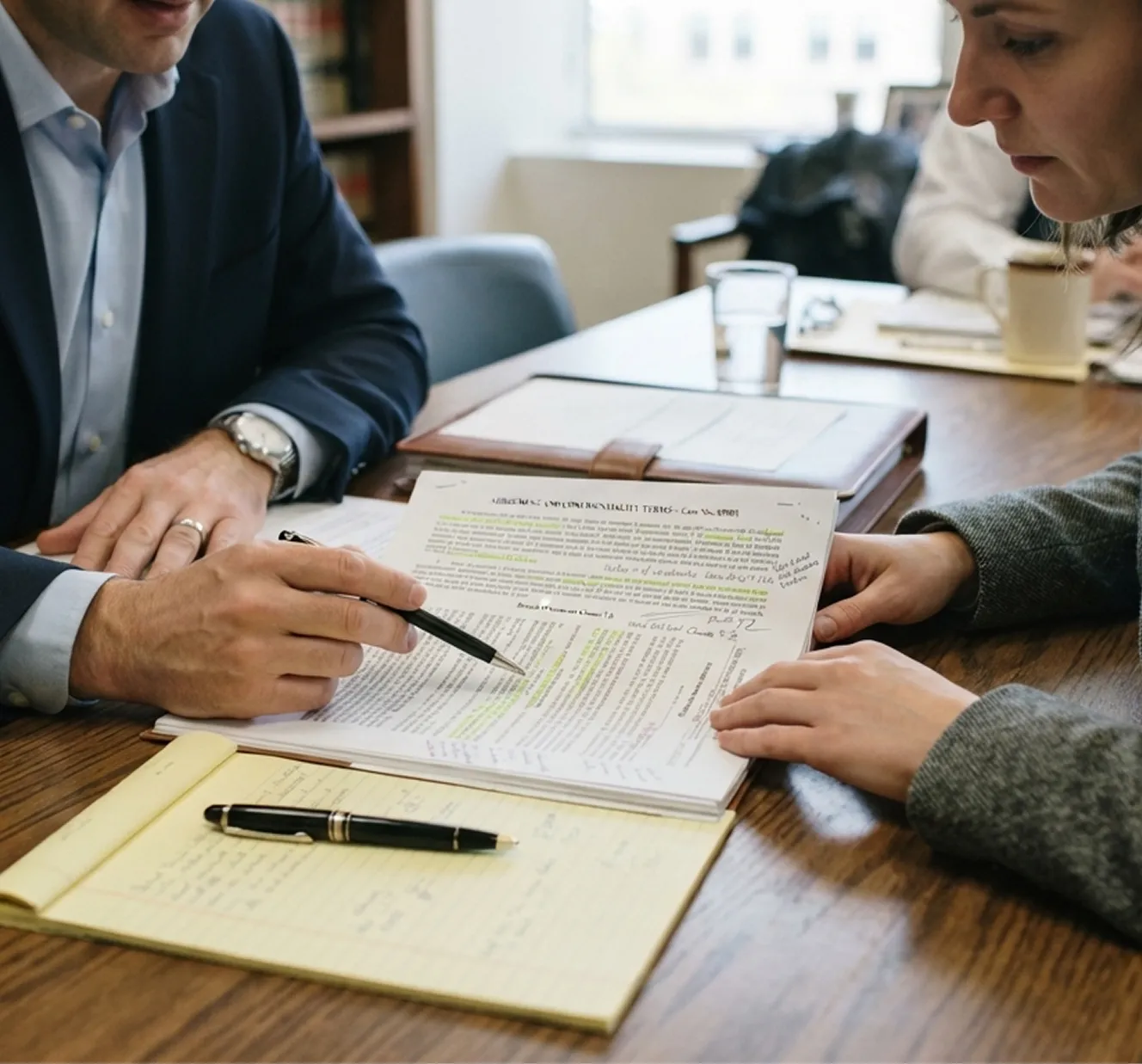

Wondering whether you need a will in North Carolina? You may have questions about who inherits your property, what happens if you die without a will, and how to protect your family’s future.
A will helps you decide how your assets should be distributed and who should manage your estate after your death.
This beginner’s guide explains North Carolina’s will requirements, the benefits of having a will, and when you may need an estate planning law firm.
Do You Legally Need a Will in North Carolina?
No. North Carolina law does not require you to have a will. However, having one helps protect your wishes and makes things easier for your family.
A will explains who should inherit your property and who should manage your estate. It also allows you to nominate a guardian for your minor children.
Without a valid will, North Carolina law decides who inherits your property. Having a will gives you more control. You can:
- Choose beneficiaries: Decide who receives your assets.
- Name an executor: Choose someone to manage your estate.
- Nominate a guardian: Suggest who should care for your minor children.
- Divide your property: Explain how your assets should be shared.
This helps ensure your property is distributed according to your wishes.
What Happens If You Die Without a Will in North Carolina?
If you die without a valid will, North Carolina law decides who inherits your property. The outcome depends on your family situation and surviving relatives.
Your Spouse and Children May Share Your Estate
If you are married and have children, your spouse and children may share your estate. The exact shares depend on how many children you have and the property involved.
For example, your spouse may receive part of your assets, while your children inherit the remaining share under North Carolina inheritance laws.
Your Parents or Other Relatives May Inherit
If you have no children, your surviving spouse may share your estate with your parents, depending on your family situation.
If you are unmarried and have no children, your parents, siblings, or other relatives may inherit your property under state law.
You Lose Control Over Important Decisions
Without a will, you cannot name your preferred executor to manage your estate. Instead, the court appoints an administrator to handle the process.
You also cannot nominate a guardian for your minor children through a will. This means the court will make decisions about guardianship based on their best interests.
Why Should You Have a Will in North Carolina?
Having a will helps protect your wishes and gives your family clear instructions about what to do after your death. Here are some key benefits:
Decide Who Inherits Your Property
A will lets you choose who receives your property, savings, and other assets. You can also leave specific belongings to family members, friends, or other beneficiaries.
This helps ensure your assets are distributed according to your wishes rather than state inheritance rules.
Choose an Executor
An executor is the person responsible for managing your estate after your death. You can name someone you trust to handle important tasks.
These tasks may include paying debts, managing property, and distributing assets to your beneficiaries.
Nominate a Guardian for Minor Children
If you have children under 18, you can nominate a trusted person to care for them if you die. This helps make your wishes clear.
The court makes the final decision based on your children’s best interests, but your nomination can guide that decision.
Reduce Confusion and Family Disputes
A will provides clear instructions about who should receive your property. This can help prevent misunderstandings among family members.
Although it cannot prevent every disagreement, it makes your wishes easier to understand and follow.
When Do You Need a Will in North Carolina?
There is no single age or financial milestone when everyone must create a will. However, certain life events make estate planning especially important.
Consider creating or updating a will if:
- You have children: Choose someone to care for them.
- You get married or divorced: Update your estate plans.
- You buy a home: Decide who should inherit your property.
- You gain more assets: Plan how your savings and investments should be shared.
- You want to leave assets to others: Include friends, charities, or other beneficiaries.
- Your family situation changes: Update your will after major family events.
Even if you are young, single, and have limited assets, a will may still be useful.
The key question is whether you want to decide who receives your property and who should care for your minor children, if applicable.
What Are the Legal Requirements for a Will in North Carolina?
North Carolina has specific rules for making a valid will. Understanding these requirements can help you avoid mistakes.
You Must Meet the Legal Age Requirement
In most cases, you must be at least 18 years old and of sound mind to make a valid will in North Carolina.
This means you must understand that you are making a will, what you own, and who may inherit your property.
Your Will Must Be Properly Signed
A written will must be signed by the person making it, known as the testator. You must sign it in front of two competent witnesses or acknowledge your signature to them.
North Carolina also recognizes handwritten wills, but they must meet specific legal requirements to be valid.
Follow the Rules for Witnesses and Documentation
Both witnesses must sign the will in your presence. Following these rules helps establish that the document is legally valid.
You can also add a self-proving affidavit to make the probate process easier. It can help prove the will’s validity without requiring witnesses to appear in court.
Do You Need an Estate Planning Attorney to Make a Will?
No. North Carolina does not require you to hire an attorney to make a will. You can create one yourself if your estate is simple and you understand the legal requirements.
However, an estate planning attorney can help you create a valid will and avoid common mistakes. Professional help may be useful if you own multiple properties, have children from different relationships, or expect family disagreements.
An attorney can also explain other estate planning options, such as trusts and powers of attorney, to help protect your assets and family.
Final Thoughts
You do not legally need a will in North Carolina, but having one helps protect your wishes. It lets you decide who inherits your property, who manages your estate, and who should care for your minor children.
Without a valid will, North Carolina law decides who receives your assets. These decisions may not match your personal wishes.
If you are planning to make a will, start by listing your assets and choosing your beneficiaries. An estate planning attorney can help you create a will that follows North Carolina law.