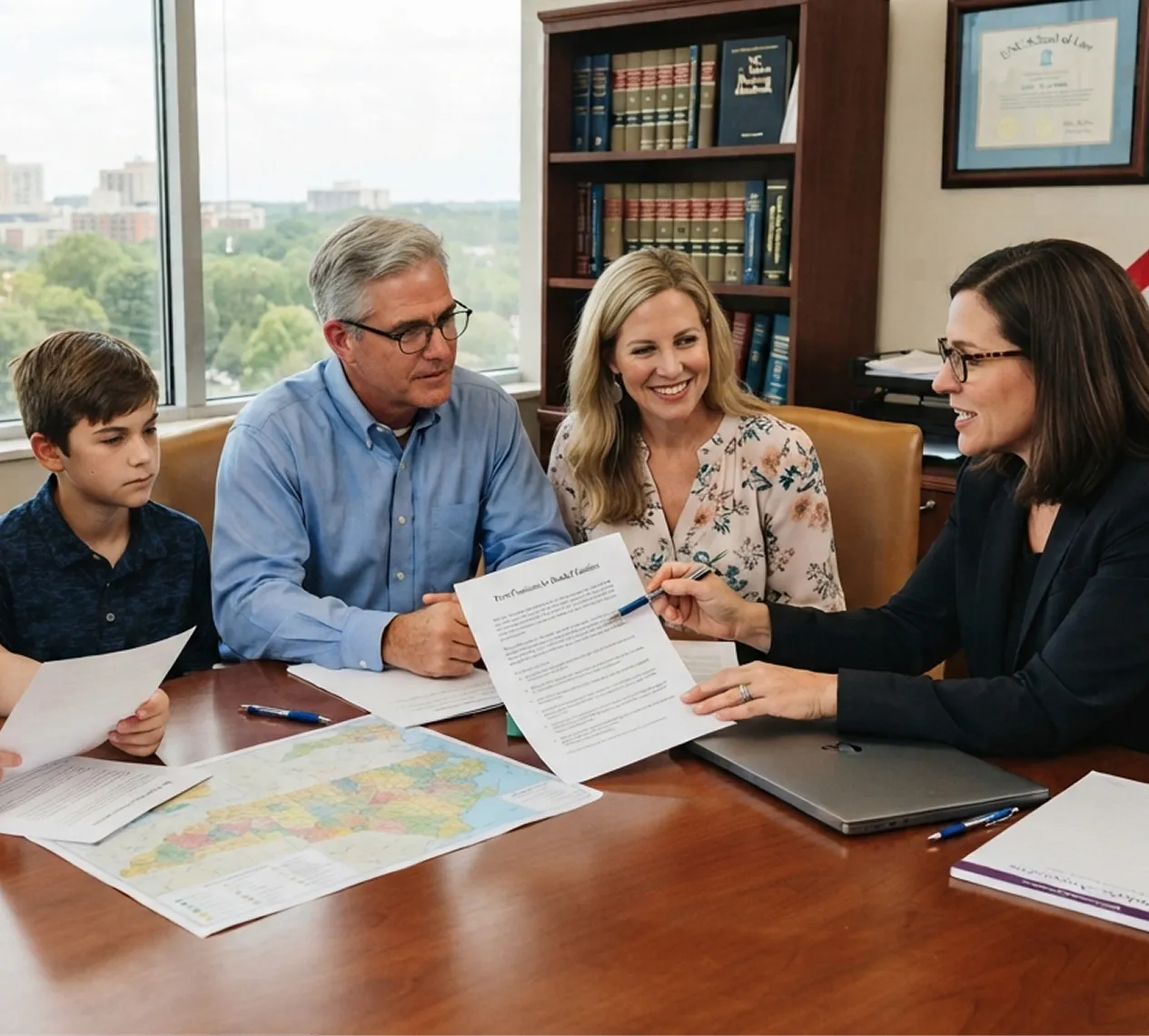

Estate planning is important for everyone, regardless of citizenship or immigration status. For immigrants and non-U.S. citizens in North Carolina, it helps protect assets and secure their family’s future.
A proper estate plan allows you to decide who inherits your property and who manages your financial and healthcare decisions. An experienced estate planning law firm can help you prepare the right legal documents.
However, owning assets or having family abroad can create additional legal and tax considerations. Understanding these requirements can help you avoid complications and protect your loved ones.
Why Estate Planning Matters for Immigrants
Immigrant families often have assets and loved ones in different countries, making estate planning especially important. Without proper arrangements, distributing property and managing inheritance can become complicated.
A well-prepared estate plan helps protect your assets, provide for your family, and decide who will inherit your property.
It also allows you to appoint trusted people to manage your estate, care for minor children, and make important financial or healthcare decisions if needed.
How Immigration Status Affects Estate Planning
Your immigration status does not automatically prevent you from owning property, making a will, or creating an estate plan in North Carolina.
However, your citizenship, tax residency, and the location of your assets can affect how certain estate planning and tax rules apply.
For example, permanent residents, temporary visa holders, and undocumented immigrants may have different tax circumstances. It is important to distinguish immigration status from tax residency because they are not always the same.
North Carolina Estate Planning Laws for Non-U.S. Citizens
North Carolina allows non-U.S. citizens to own property, inherit assets, and create wills. Understanding the state’s legal requirements can help immigrant families protect their interests.
Here are four important things to know:
- Property Ownership: Non-U.S. citizens can generally buy, own, and inherit property.
- Will Requirements: A standard written will generally requires the person’s signature and two witnesses.
- Dying Without a Will: North Carolina law determines who inherits your probate assets.
- Probate Process: The court oversees debt payments and property distribution, which may involve extra steps for overseas assets or beneficiaries.
Understanding these rules can help you avoid legal complications and make better plans for your family’s future.
Creating a Will as an Immigrant in North Carolina
A will gives you greater control over how your property is distributed and who handles your estate. When preparing one, consider these important details:
- List your assets: Include real estate, savings, investments, personal belongings, and other property.
- Choose beneficiaries: Identify relatives or other individuals who should inherit your assets, whether they live in the United States or abroad.
- Appoint an executor: Select someone trustworthy and capable of managing your estate.
- Include foreign assets carefully: Consider whether separate estate documents are needed in countries where you own property.
- Review foreign wills: Make sure your U.S. estate documents do not unintentionally conflict with an existing will prepared overseas.
Understanding Trusts for Immigrant Families
A trust is a legal arrangement that allows someone to manage assets for beneficiaries according to your instructions. It can be useful for families with property, investments, or children in different countries.
Common trust options include:
- Revocable living trusts: Allow you to manage and change the trust during your lifetime.
- Irrevocable trusts: Generally cannot be changed easily and may help with specific asset protection or tax planning goals.
- Trusts for children: Help manage an inheritance until children reach a suitable age.
- Specialized trusts: May address particular family, financial, or cross-border planning needs.
Understanding Estate and Inheritance Taxes
Estate taxes can be particularly important for non-U.S. citizens with American assets. Federal tax treatment depends on citizenship, domicile, and the location of property.
Consider these important tax issues:
- Federal estate tax: Nonresident noncitizens may face estate tax on certain U.S.-situated assets. The general filing threshold is $60,000, subject to applicable rules and treaty provisions.
- Green card holders: A green card does not automatically establish U.S. domicile for estate tax purposes.
- Different citizenship statuses: Married couples may face additional tax considerations when one spouse is not a U.S. citizen.
- Qualified Domestic Trusts (QDOTs): These trusts may help qualifying surviving noncitizen spouses benefit from the marital estate tax deduction.
- International tax treaties: Certain treaties may reduce double taxation or provide additional estate tax benefits.
Professional tax advice is particularly important when planning for substantial estates or international inheritances.
Planning for Property and Assets in Multiple Countries
If you own property or financial accounts outside the United States, your estate plan should account for those assets. Different countries may have different inheritance laws, tax requirements, and probate procedures.
For better international estate planning:
- Include U.S. and foreign real estate in your asset inventory.
- Identify overseas bank accounts, investments, and business interests.
- Consider separate wills for different jurisdictions.
- Understand forced heirship rules that may restrict how property is distributed.
- Coordinate legal documents to prevent conflicting instructions.
Preparing Powers of Attorney and Healthcare Directives
Estate planning also involves decisions made while you are alive. If illness or an accident prevents you from managing your affairs, legal documents can authorize trusted people to help.
Important documents include:
- Financial power of attorney: Allows an appointed agent to handle specified financial and legal matters.
- Healthcare power of attorney: Names someone to make medical decisions when you cannot communicate your wishes.
- Living will: Explains your preferences regarding certain life-prolonging medical treatments.
- Advance healthcare directive: Records your healthcare instructions and decision-making arrangements.
You can appoint trusted representatives who live abroad, but practical and legal requirements should be reviewed before relying on someone outside the United States.
Estate Planning for Different Immigration Situations
Every immigrant family has different needs. Your estate plan should reflect your immigration circumstances, family relationships, and financial responsibilities.
- Green card holders: Review U.S. domicile and estate tax exposure alongside international assets.
- Temporary visa holders: Plan for U.S. property, overseas beneficiaries, and possible relocation.
- Undocumented immigrants: Immigration status alone does not prevent you from preparing a will or making estate arrangements.
- Mixed-status families: Coordinate inheritance plans for relatives with different immigration statuses.
- Non-U.S. citizen spouses: Consider QDOT requirements and applicable federal estate tax rules.
- Children with different immigration statuses: Make appropriate inheritance and guardianship arrangements.
Common Estate Planning Mistakes to Avoid
Even a carefully prepared estate plan can create problems if important details are overlooked. Avoid these common mistakes:
- Assuming a foreign will automatically covers every U.S. asset.
- Ignoring federal estate tax obligations.
- Forgetting to update retirement accounts and insurance beneficiaries.
- Leaving overseas property and investments out of your planning.
- Choosing an executor without considering their location and practical responsibilities.
How to Create an Estate Plan: A Step-by-Step Guide
Creating an estate plan becomes easier when you approach it in an organized way.
- List your assets and debts: Record your property, bank accounts, investments, and financial obligations.
- Identify your immigration and tax residency status: Understand how your circumstances affect estate planning.
- Choose your beneficiaries: Decide who should inherit your property.
- Prepare a will and consider a trust: Select the legal arrangements that suit your family.
- Choose trusted representatives: Appoint an executor, guardians for minor children, and financial or healthcare decision-makers.
- Organize legal documents: Keep your wills, property records, financial information, and healthcare directives accessible.
- Review your estate plan: Update documents after major family, financial, immigration, or international changes.
Final Thoughts
Estate planning for immigrants and non-U.S. citizens in North Carolina requires careful consideration of family needs, property ownership, immigration circumstances, and international tax rules.
A properly prepared plan can help protect your assets and make inheritance arrangements easier for your loved ones.
Working with an experienced North Carolina estate planning attorney who understands cross-border legal and tax matters can help you create a plan that reflects your wishes and protects your family’s future.