Creating a will is one of the most important steps in protecting your family and deciding what happens to your property after your death. However, a will is not automatically legally valid just because you have written down your wishes and signed the document.
In North Carolina, certain mistakes, such as improper signing, lack of witnesses, fraud, or pressure from others, can make a will invalid. These problems can lead to family disagreements and delays in settling an estate.
This guide explains what makes a will invalid in North Carolina, who can challenge it, what happens if a court rejects it, and how to make sure your will meets state legal requirements.
What Makes a Will Legally Valid in North Carolina?
Under North Carolina law, a will must meet specific requirements to be legally enforceable. For a standard written will, also called an attested will, the person making it (the testator) must generally:
- Be at least 18 years old.
- Have the mental capacity to understand what they own and how they want to distribute their property.
- Put their wishes in writing.
- Sign the will or acknowledge their signature in front of at least two competent witnesses.
- Have at least two witnesses sign the will in the testator’s presence.
North Carolina also recognizes certain handwritten and oral wills under specific conditions. However, they must meet separate legal requirements.
What Makes a Will Invalid in North Carolina?
A will can be declared invalid if it does not follow North Carolina’s legal requirements or was created under improper circumstances. Common reasons include:
- Improper signing or witnessing: A will may be invalid if it lacks the required signatures or was not properly witnessed.
- Lack of mental capacity: If the testator did not understand the nature of making a will, their property, or the people who would normally inherit from them, the will may be challenged.
- Undue influence: If someone pressures, manipulates, or controls the testator into changing their will, a court may find it invalid.
- Fraud or forgery: A will created using false information, forged signatures, or deception may be rejected.
- Revocation: A person can revoke an earlier will by making a valid new will or following another legally recognized method of revocation.
- Improper alterations: Unapproved changes, additions, or missing pages can create questions about whether the document reflects the testator’s true wishes.
Not every mistake automatically invalidates an entire will. The court considers the circumstances and applicable North Carolina law.
Can a Will Be Invalid If It Is Not Notarized in North Carolina?
No. A standard written will does not need to be notarized to be valid in North Carolina. The law generally requires the testator’s signature and signatures from two competent witnesses.
However, notarization can help make a will self-proving. A self-proving will includes additional sworn statements from the testator and witnesses before a notary public.
This can make the probate process easier because witnesses may not need to testify later to confirm the will’s execution.
Can a Handwritten Will Be Valid in North Carolina?
Yes. North Carolina recognizes handwritten wills, known as holographic wills. However, the entire material portion must be written in the testator’s handwriting, and the document must be signed by them.
It must also be found after the testator’s death in a place where they deposited or kept it, or among their valuable papers or effects. It does not require witness signatures, but it must meet the state’s specific legal conditions.
A handwritten note does not automatically qualify as a valid will simply because it explains how someone wants their property distributed.
What Happens If a Will Is Declared Invalid in North Carolina?
If a court declares a will invalid, the estate may be distributed according to an earlier valid will. If no valid will exists, North Carolina’s intestate succession laws determine who inherits the deceased person’s property.
Generally, the estate may pass to the surviving spouse, children, parents, or other eligible relatives, depending on the family situation.
The court may also appoint an administrator to manage the estate, pay outstanding debts, and distribute the remaining assets. This process can take time and may create additional expenses for the family.
Who Can Challenge a Will in North Carolina?
Not everyone can legally challenge a will. Generally, an interested person who may be affected by the estate’s distribution can file a legal challenge.
This may include:
- Beneficiaries named in the will.
- Family members who would inherit if the will were invalid.
- Individuals named in an earlier valid will.
- Other people with a direct legal interest in the estate.
A person must have a legal interest in the estate rather than simply disagreeing with the deceased person’s decisions.
How to Contest a Will in North Carolina
In North Carolina, challenging a will is commonly known as filing a caveat. This is a formal legal objection to the will’s validity.
Here are the general steps:
- Identify the legal grounds: Determine whether there are concerns about fraud, undue influence, mental capacity, or improper execution.
- Gather evidence: Collect relevant documents, medical records, witness statements, and other supporting information.
- File a caveat: Submit the legal objection with the Clerk of the Superior Court handling the estate.
- Present your case: The dispute may proceed to Superior Court, where evidence is reviewed and the court determines whether the will is valid.
Under North Carolina General Statutes § 31-32, an interested party generally has three years after probate in common form to file a caveat. However, exceptions and different probate circumstances can affect the deadline.
How to Avoid Making Your Will Invalid in North Carolina
A few practical steps can help protect your will from future legal challenges:
- Make sure you meet the legal age and mental capacity requirements.
- Follow North Carolina’s signing and witnessing rules.
- Choose reliable, competent witnesses.
- Clearly explain how you want your property distributed.
- Avoid making changes without following the proper legal process.
- Store your original will in a safe and accessible place.
- Review your will after major life changes, such as marriage, divorce, or having children.
- Consider working with an estate planning law firm.
North Carolina also recognizes electronic wills under specific legal requirements starting January 1, 2026. An ordinary electronic document or scanned signature does not automatically qualify as a valid electronic will.
When Should You Contact a North Carolina Estate Planning Attorney?
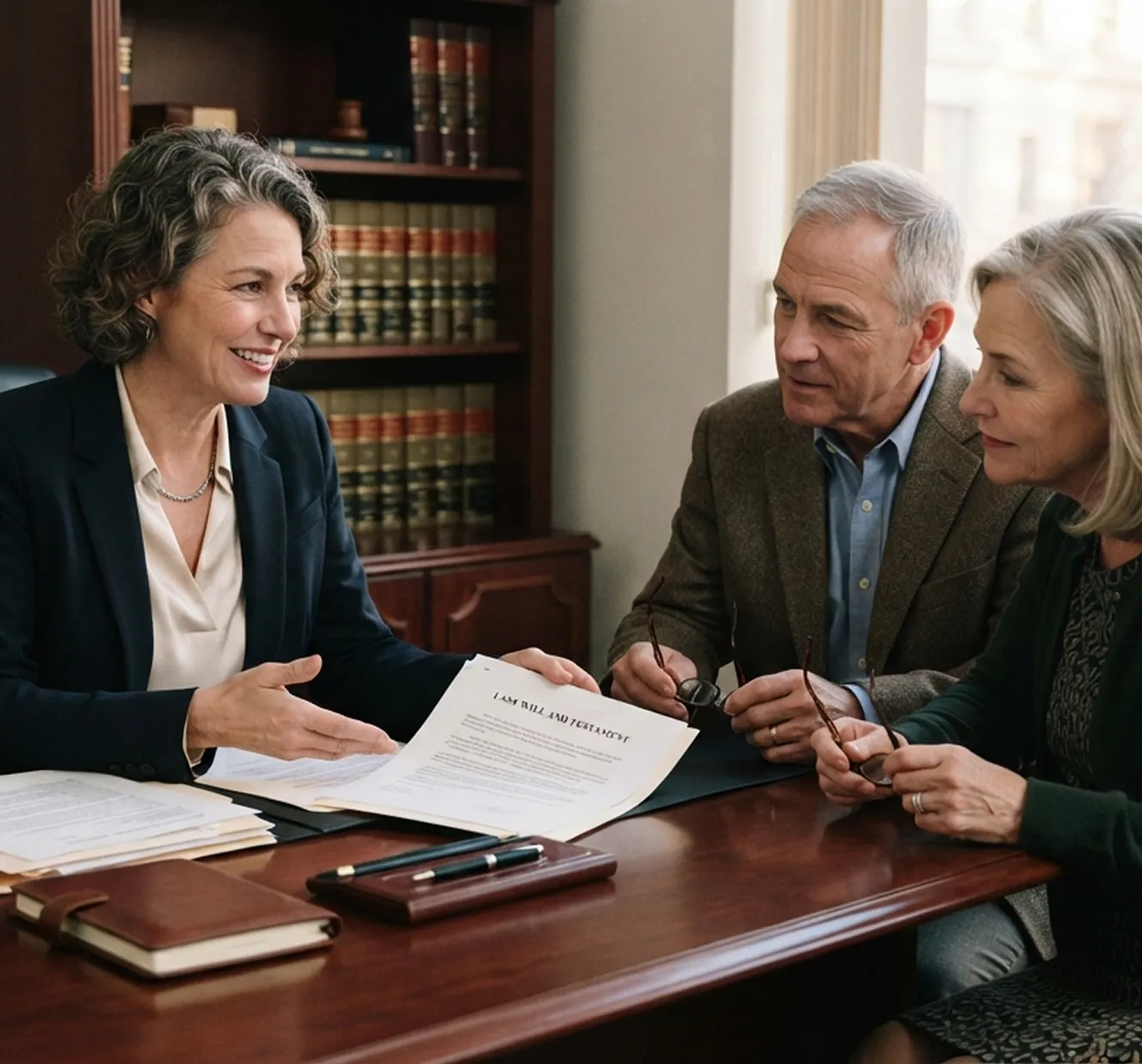
Consider speaking with a North Carolina estate planning attorney if you are creating a will, updating an existing document, or concerned about a loved one’s will.
Legal guidance can be particularly helpful when there are complicated family relationships, significant assets, blended families, or concerns about undue influence and mental capacity.
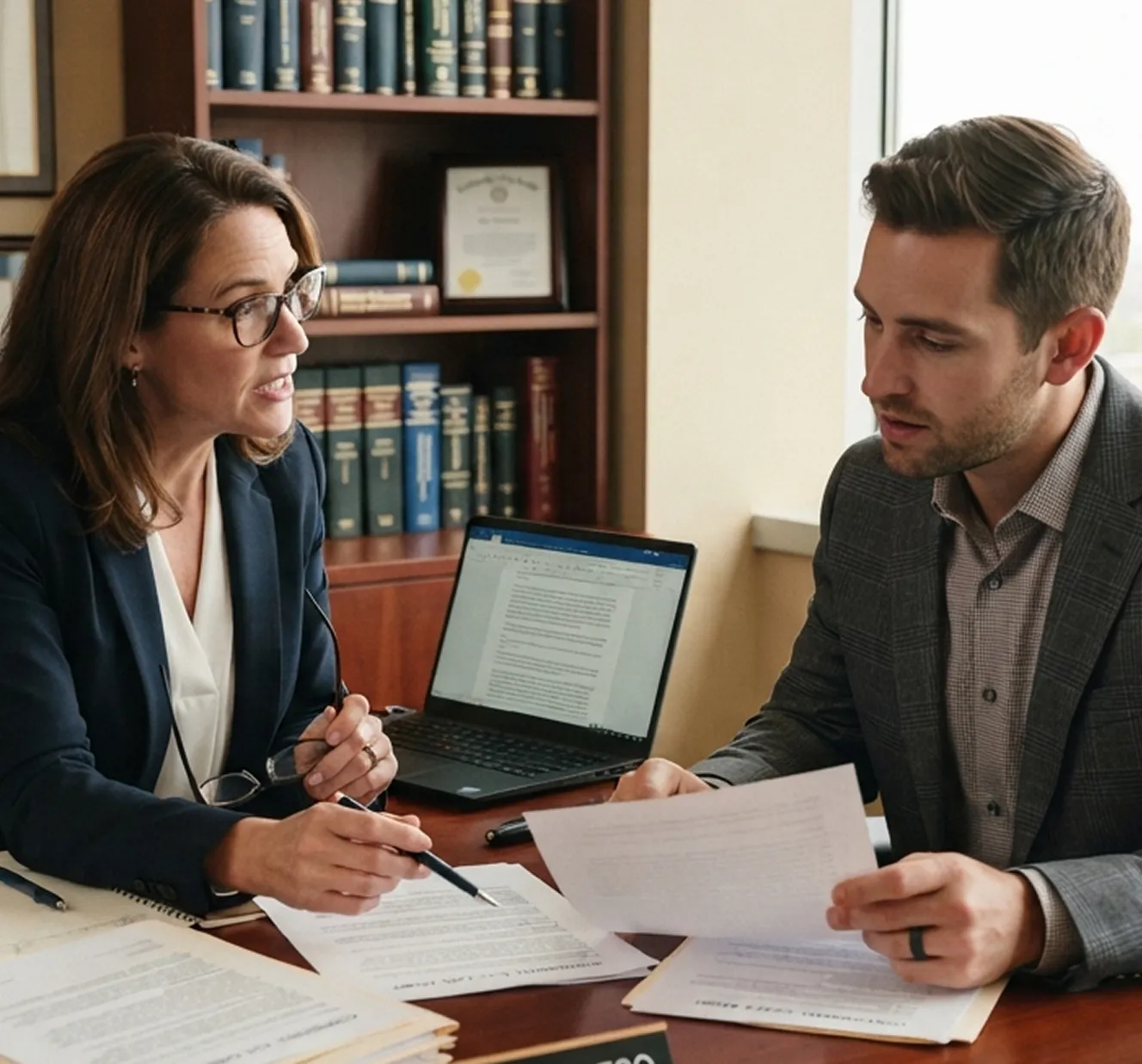
If you believe a will is invalid, an attorney can review the circumstances, explain your legal options, and help you understand the process for filing a caveat.
Final Thoughts
A properly prepared will helps protect your wishes and makes things easier for your loved ones after your death. In North Carolina, even small mistakes in signing, witnessing, or preparing a will can create legal problems.
Understanding the state’s requirements, keeping your documents updated, and getting professional legal guidance can help prevent disputes.
If you are unsure whether your will is legally valid, consider having it reviewed by an experienced North Carolina estate planning attorney.