
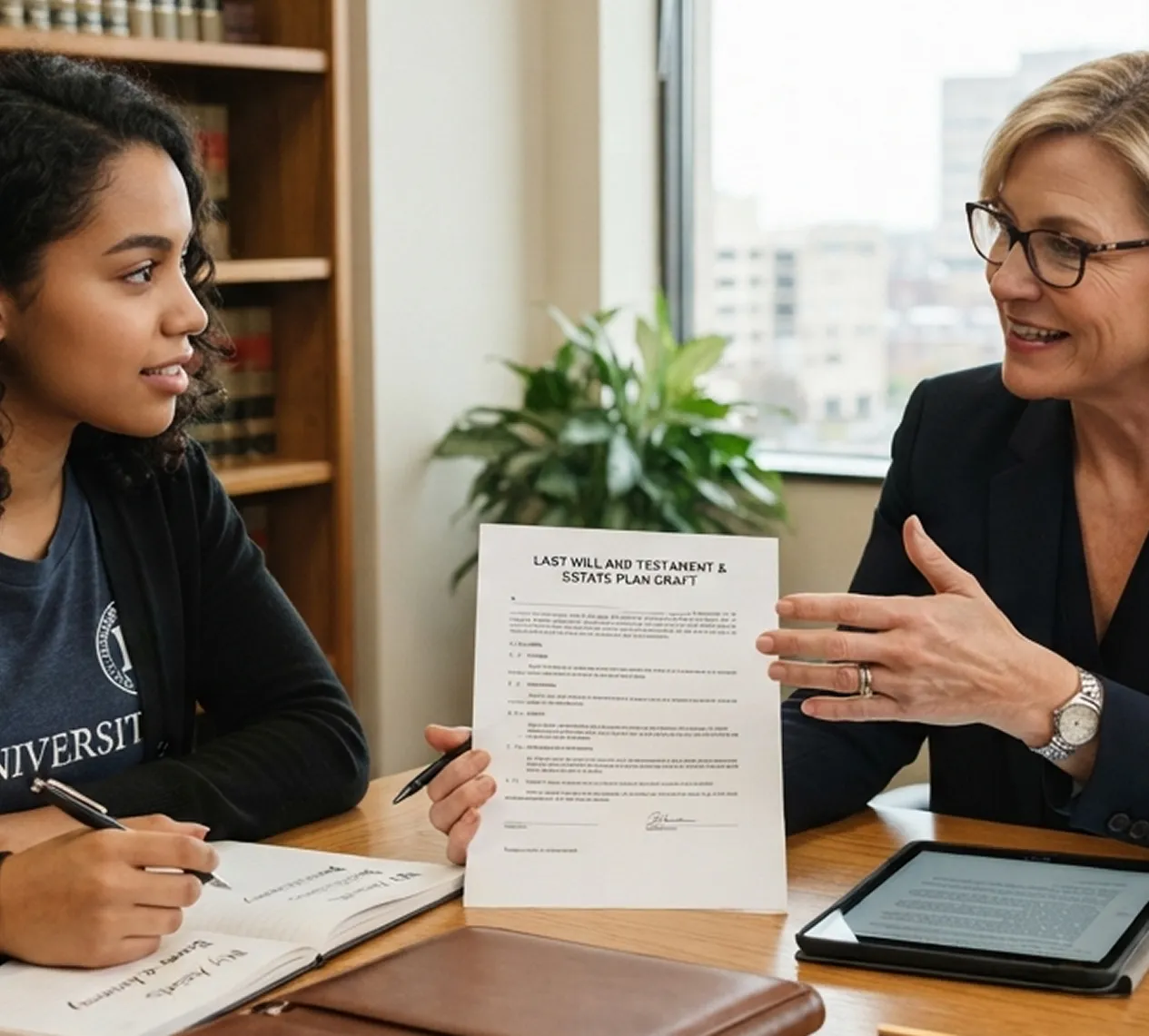
College is an exciting time when students begin making important decisions about their education, finances, and future. Although estate planning may seem unnecessary at a young age, unexpected accidents or medical emergencies can happen at any time.
For college students in North Carolina, estate planning helps protect personal interests and ensures important decisions can be made if they become unable to make them independently.
Basic documents, such as a healthcare power of attorney, financial power of attorney, and advance healthcare directive, allow students to choose trusted decision-makers and give their families greater peace of mind.
Why Estate Planning Matters for College Students in North Carolina
College students often manage more responsibilities than they realise. They may have bank accounts, savings, vehicles, part-time jobs, student loans, digital assets, and personal belongings. Without proper legal arrangements, managing these matters can become difficult if an unexpected situation occurs.
Estate planning helps students:
- Protect their healthcare decisions: Choose someone they trust to make medical decisions if they become unable to communicate.
- Manage financial matters: Authorise a trusted person to handle certain financial responsibilities when necessary.
- Protect personal belongings: Explain who should receive their property and possessions.
- Reduce family confusion: Make their wishes clear and help prevent disagreements during difficult situations.
- Maintain independence: Decide who can access important information and act on their behalf.
Having these arrangements in place can make unexpected situations easier for both students and their families.
Do College Students Need an Estate Plan in North Carolina?
Yes. Estate planning is not limited to people who own houses, have children, or possess significant wealth. Any college student aged 18 or older can benefit from having basic estate planning documents.
In North Carolina, individuals generally become legal adults at 18. This means parents do not automatically have the same authority to access medical information or make healthcare decisions for their adult children that they had when they were minors.
For example, if a college student is seriously injured and cannot communicate, their parents may not automatically have legal authority to make every medical or financial decision. Proper legal documents can help address these situations and establish who should act on the student’s behalf.
Essential Estate Planning Documents for College Students
A basic estate plan does not need to be complicated. Most college students can start with a few important legal documents.
1. last will
A last will explains how a person’s property should be distributed after death. Students can use it to identify beneficiaries and name a personal representative to handle their estate.
2. Healthcare Power of Attorney
A healthcare power of attorney allows a student to appoint someone they trust to make medical decisions if they become unable to make or communicate those decisions themselves.
3. Durable Financial Power of Attorney
This document authorises a trusted person to manage financial matters, such as paying bills, handling bank transactions, or dealing with certain financial responsibilities. Its scope depends on the authority granted in the document.
4. Advance Healthcare Directive
An advance healthcare directive, which may include a living will, communicates a person’s preferences about medical treatment if they cannot express their wishes.
These documents provide a practical foundation for managing important decisions during unexpected circumstances.
North Carolina Estate Planning Laws for College Students
College students creating an estate plan should understand the basic legal requirements in North Carolina.
Under North Carolina law, individuals generally must be at least 18 years old and of sound mind to create a valid will. N.C. Gen. Stat. § 31-1 addresses testamentary capacity, while § 31-3.3 establishes signing and witnessing requirements for written wills.
North Carolina also recognises healthcare powers of attorney under Chapter 32A. Advance healthcare directives, including living wills, are addressed under Chapter 90, Article 23.
Students should understand that different documents have different signing, witnessing, and notarisation requirements. Following the correct legal procedures is important to make sure their documents are valid and can be used when needed.
How to Choose the Right People for Your Estate Planning Documents
Choosing the right person is just as important as preparing the legal documents. College students should select someone responsible, trustworthy, and willing to respect their personal wishes.
Consider the following when making your choices:
- Healthcare agent: Choose someone who understands your medical preferences and can make difficult decisions when necessary.
- Financial agent: Select someone who is organised, financially responsible, and capable of handling important financial matters.
- Personal representative: Name someone reliable who can manage your estate and follow the instructions in your will.
This person could be a parent, sibling, relative, or another trusted adult. Before naming anyone, discuss your expectations and make sure they are comfortable accepting the responsibility.
Financial and Digital Asset Protection for College Students
Many college students have financial and digital assets that deserve protection. These may include savings accounts, investment accounts, vehicles, laptops, social media profiles, email accounts, cryptocurrency, and files stored online.
Estate planning can help students explain how they want certain assets handled if they become incapacitated or pass away.
It is also helpful to maintain a secure record of important financial accounts, insurance details, and digital assets. Students should avoid putting passwords directly into their wills because wills may become public records during probate. Instead, consider using a secure password manager and making appropriate arrangements for trusted access.
Estate Planning for College Students Living Away From Home
Students attending college away from their family home may face additional challenges during medical emergencies or unexpected events. Their parents may live in another city or state, making communication and decision-making more difficult.
A healthcare power of attorney can identify who should make medical decisions if the student cannot make them independently. A financial power of attorney can also help a trusted person handle necessary financial matters.
Students attending college outside North Carolina should consider whether their documents will be recognised in the state where they study. Although many states recognise certain out-of-state documents, requirements can vary. Getting legal guidance can help avoid complications.
How to Create an Estate Plan as a College Student in North Carolina
Creating an estate plan does not have to be overwhelming. Students can begin with a few practical steps:
- Identify your assets: Make a list of your bank accounts, savings, vehicles, personal belongings, and digital assets.
- Think about your wishes: Decide who should make healthcare and financial decisions if you cannot.
- Choose trusted individuals: Select appropriate people to serve as your healthcare agent, financial agent, and personal representative.
- Prepare essential documents: Consider a last will and testament, healthcare power of attorney, durable financial power of attorney, and advance healthcare directive.
- Follow North Carolina legal requirements: Make sure each document is properly signed, witnessed, or notarised as required.
- Keep documents accessible: Store signed documents securely and tell your chosen representatives where to find them.
- Review your arrangements: Revisit your estate plan whenever your circumstances or preferences change.
Starting with these basic steps can help college students establish a practical estate plan without making the process unnecessarily complicated.
Common Estate Planning Mistakes College Students Should Avoid
Even a simple estate plan can create problems if important details are overlooked. Some common mistakes include:
- Assuming parents automatically have full decision-making authority after a child turns 18.
- Waiting until a medical emergency occurs before preparing legal documents.
- Choosing agents without discussing responsibilities with them.
- Using generic online templates without checking North Carolina legal requirements.
- Forgetting to update beneficiary designations on financial accounts and insurance policies.
- Failing to tell trusted family members where important documents are stored.
- Ignoring digital assets and online accounts.
Avoiding these mistakes can make an estate plan more practical, reliable, and useful when it is needed.
When Should College Students Update Their Estate Plans?
An estate plan should change as a student’s life changes. Even if the original documents are still legally valid, certain events may make an update necessary.
Students should review their estate plans when they:
- Move to another state for college or employment.
- Open new bank or investment accounts.
- Purchase a vehicle or other valuable property.
- Get married or experience a major family change.
- Change their healthcare agent or financial representative.
- Develop different preferences about medical treatment or asset distribution.
Reviewing the documents every few years is also a sensible way to make sure they still reflect the student’s wishes.
How an Estate Planning Attorney in North Carolina Can Help College Students
An experienced estate planning law firm in North Carolina can help students understand which legal documents they need and how state laws apply to their circumstances.
An attorney can prepare or review wills, healthcare powers of attorney, financial powers of attorney, and advance healthcare directives. They can also explain signing requirements, help students choose appropriate representatives, and address questions about financial accounts, beneficiary designations, and digital assets.
Professional legal guidance can be particularly useful for students who attend college in another state, have complicated family circumstances, or own assets that require additional planning.
Final Thoughts
Estate planning is an important step toward adulthood, even for college students. Basic legal documents can help protect healthcare decisions, financial interests, and personal wishes.
For students in North Carolina, creating an estate plan early can prevent confusion and give loved ones clear guidance during unexpected situations.
Working with a North Carolina estate planning attorney can help ensure your documents meet state requirements and reflect your needs. Planning means being prepared, not expecting the unexpected.